
Package
Transparent pricing
Duration
Estimated time
Consult
Optional consultation
Overview
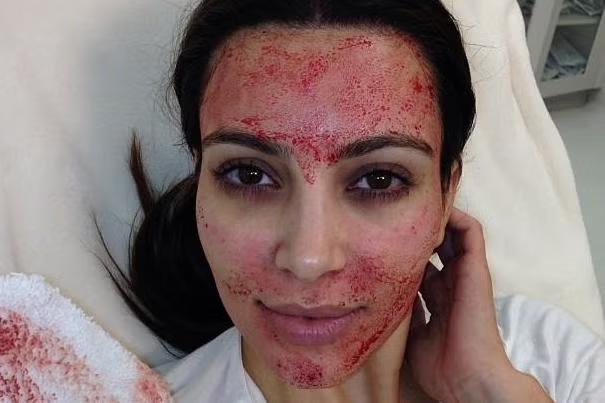
A Vampire Facial, medically referred to as Platelet-Rich Plasma (PRP) therapy, is a regenerative skin treatment that uses your own blood to stimulate natural skin renewal. By harnessing growth factors present in plasma, this procedure supports collagen production, improves skin quality, and restores a fresher, more youthful appearance. PRP therapy works at a cellular level to refine skin texture, soften fine lines, and enhance elasticity. It is especially effective for addressing early signs of ageing, uneven tone, and dull or fatigued skin, resulting in a smoother, brighter complexion.
Vampire Facial Treatment Procedure
Vampire Facial Recommended Frequency
Ideal Candidates
Not Suitable For
About
A Vampire Facial, medically referred to as Platelet-Rich Plasma (PRP) therapy, is a regenerative skin treatment that uses your own blood to stimulate natural skin renewal. By harnessing growth factors present in plasma, this procedure supports collagen production, improves skin quality, and restores a fresher, more youthful appearance.
Pre-Treatment Care
- Avoid immune-based therapies before the procedure
- No sunburn or prolonged sun exposure
- Arrive with clean skin—free of makeup or skincare products
Post-Treatment Care
- Apply sunscreen (SPF 30 or higher) after 6–10 hours
- Keep skin hydrated and use only doctor-recommended moisturisers
- Avoid alcohol-based toners for a few weeks
FAQs
Can I apply makeup or skincare before my session?
No. Please avoid all cosmetics, creams, and makeup before your appointment.
How long should I avoid chemical peels or aesthetic treatments beforehand?
It is recommended to avoid chemical peels or aesthetic procedures for at least 15 days prior.
Is PRP therapy safe? Are there side effects?
When performed by qualified medical professionals using proper protocols, PRP therapy is generally safe. Mild swelling, redness, or discomfort may occur. Rare complications such as infection or allergic reactions have been reported. Individuals with medical conditions, blood disorders, implants, recent surgery, pregnancy, or lactation should consult a doctor before proceeding.
Is the procedure painful?
The treatment is usually well tolerated. A numbing cream is applied beforehand to minimise discomfort, making the procedure largely painless.