
Why do I keep getting pimples on my chin and jawline?
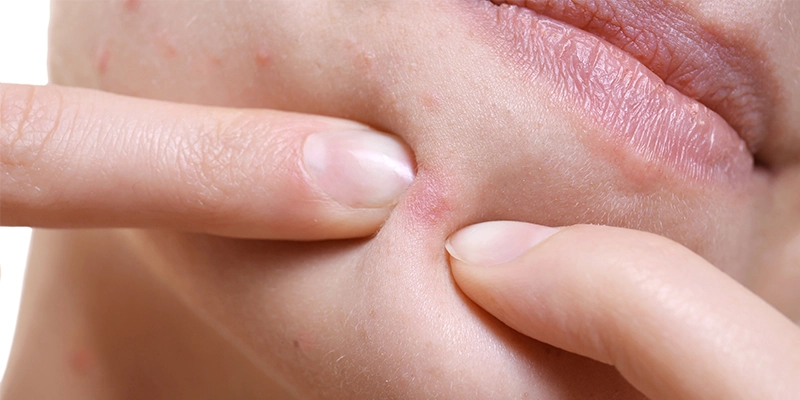
There is something particularly frustrating about chin and jawline pimples. They are often painful, take longer to heal, and seem to return at the worst possible time. Many people spend thousands of rupees on face washes, serums, facials, and online skincare trends, only to wake up with the same stubborn bumps along the jawline again.
What makes these breakouts different is that they are usually connected to internal triggers rather than just oily skin or poor hygiene. In Indian dermatology clinics, recurring acne around the chin and jawline is commonly linked to hormonal fluctuations, stress, lifestyle habits, diet patterns, and conditions like PCOS.
Unlike random pimples on the forehead or nose, lower-face acne tends to follow patterns. Some people notice flare-ups before periods. Others experience breakouts during stressful work schedules, exam seasons, or after introducing certain foods or supplements into their routine.
The good news is that persistent jawline acne can often be controlled once the real trigger is identified. The challenge is understanding what your skin is trying to tell you instead of treating every breakout the same way.
This detailed guide explains why chin and jawline acne happens, how it is treated in India, what treatments cost, common mistakes people make, and what dermatologists actually recommend for long-term improvement.
What Causes Pimples on the Chin and Jawline?
Chin and jawline pimples develop when pores become clogged with:
Excess oil
Dead skin cells
Bacteria
Sweat and pollution particles
However, the reason behind that excess oil production varies from person to person.
For many Indians, the issue is not simply external dirt. Hormonal imbalance, stress, humid weather, pollution exposure, and lifestyle changes often play a much bigger role.
Hormonal imbalance is one of the biggest reasons people experience recurring jawline acne. Hormones called androgens stimulate oil glands in the skin. When androgen activity increases, sebaceous glands produce excess oil, which clogs pores and creates inflammation. This is why many people notice acne: Before menstruation During puberty During stressful periods During pregnancy After stopping hormonal medication During hormonal disorders Hormonal acne is often cystic, painful, and located around the lower face rather than the forehead. One of the most common medical causes of jawline acne in women is Polycystic Ovary Syndrome (PCOS). Doctors across India have observed a significant increase in PCOS cases, especially among urban women dealing with: Sedentary lifestyles High stress Sleep disturbances Dietary imbalance PCOS may lead to: Persistent acne Excess facial hair Weight gain Hair thinning Irregular menstrual cycles According to findings discussed by the Indian Council of Medical Research (ICMR), PCOS has become increasingly common among reproductive-age women in India. Not every person with jawline acne has PCOS, but recurring lower-face acne combined with irregular periods should not be ignored. Stress affects the skin more than most people realize. When stress hormones increase, the body produces more cortisol, which may: Increase oil production Trigger inflammation Slow skin healing Worsen existing acne Indian dermatologists often notice flare-ups during: Exam preparation Corporate work pressure Night shifts Poor sleep schedules Emotional stress Many people also experience “stress acne” during wedding planning, relocation, or major life changes. Diet alone usually does not cause acne, but certain foods may worsen breakouts in acne-prone individuals. Foods that rapidly increase blood sugar may influence hormones and inflammation. Examples include: Soft drinks White bread Packaged snacks Bakery products Sugary desserts Some people notice increased acne after consuming excessive milk-based products. This does not mean dairy affects everyone equally, but dermatologists sometimes recommend monitoring dairy intake in persistent acne cases. Gym-related acne is increasingly common in India. Some individuals experience jawline breakouts after starting: Whey protein Mass gainers High-protein supplements Sometimes the problem is not hormones but daily habits. Using harsh cleansers repeatedly damages the skin barrier. Comedogenic creams and oily makeup can clog pores. Bacteria and oil transfer easily to the jawline area. This increases inflammation and raises the risk of acne scars and pigmentation. Using exfoliating acids, retinol, scrubs, and acne creams together often irritates the skin. Jawline acne affects men too, especially in Indian climates where sweat and pollution exposure are high. Common triggers include: Testosterone fluctuations Beard grooming products Helmet friction Sweating Shaving irritation Pollution buildup Ingrown beard hairs may also resemble acne bumps. A dermatologist usually evaluates: Acne location Severity Skin type Hormonal symptoms Lifestyle habits Existing skincare routine In some cases, additional tests may be recommended: Hormone profile Blood sugar levels Thyroid tests PCOS screening This helps identify whether the acne is purely dermatological or linked to an internal health condition. Treatment depends entirely on the root cause. Helps unclog pores and reduce oil buildup. Targets acne-causing bacteria and inflammation. Prevent clogged pores and improve skin cell turnover. Useful for acne marks and sensitive skin types. For moderate or severe acne, dermatologists may prescribe oral treatment. Costs vary depending on city, dosage, and dermatologist consultation fees. Many dermatology clinics now offer advanced acne procedures. Helpful for: Acne marks Oil control Skin texture ₹1,500–₹5,000 per session Used for: Acne scars Pigmentation Persistent inflammation ₹3,000–₹20,000 per session May help improve: Oily skin Congested pores Mild acne ₹2,500–₹12,000 per session This is where many people lose patience. Most treatments need: 6–8 weeks for noticeable improvement 3–6 months for stable control Longer timelines for hormonal acne Switching products too frequently often worsens irritation and delays healing. Consistency matters more than using trendy products. Gentle cleanser Niacinamide or salicylic acid serum Lightweight moisturizer Sunscreen SPF 30 or higher Gentle cleanser Prescription acne treatment or retinoid Barrier-support moisturizer Simple routines are often more effective than complicated 10-step routines. Cystic acne can leave permanent marks if untreated. Reducing inflammation protects collagen. Persistent acne affects emotional well-being and self-esteem. Early treatment may prevent expensive scar procedures later. Many clinics now customize treatments based on: Skin type Hormonal profile Lifestyle patterns Climate exposure Dermatologists are increasingly emphasizing skin barrier health instead of overly aggressive acne treatment. Many specialists combine: Medical treatment Clinical procedures Diet guidance Lifestyle correction This often gives better long-term results. Acne is far more complex than hygiene alone. It may severely irritate the skin. Lemon juice and baking soda can damage the skin barrier. Many pharmacy-based treatments are effective and affordable. Consult a dermatologist if: Acne becomes painful Scarring develops Over-the-counter products stop working Acne affects confidence or mental health Breakouts repeatedly return Early treatment can prevent years of unnecessary frustration and spending. Recurring pimples on the chin and jawline are often your skin’s way of signaling a deeper imbalance. For some people, hormones are the main trigger. For others, stress, diet, pollution exposure, poor sleep, or skincare mistakes play a larger role. The biggest mistake people make is treating every breakout aggressively without understanding the root cause. Healthy skin usually improves through consistency rather than quick fixes. A balanced skincare routine, proper sleep, stress management, healthy eating habits, and professional guidance when needed can gradually reduce breakouts and improve overall skin health. Most importantly, do not compare your skin journey with heavily filtered social media images. Real acne treatment takes time, patience, and realistic expectations. Indian Council of Medical Research (ICMR) –https://www.icmr.gov.in Ministry of Health and Family Welfare, Government of India –https://www.mohfw.gov.in National Health Portal of India – https://www.nhp.gov.in All India Institute of Medical Sciences (AIIMS) –https://www.aiims.edu Indian Association of Dermatologists, Venereologists and Leprologists –https://www.iadvl.org National Medical Commission –https://www.nmc.org.in Statista –https://www.statista.comHormonal Acne: The Most Common Cause
Common Signs of Hormonal Jawline Acne
PCOS and Chin Acne in Indian Women
Stress and Lack of Sleep Can Worsen Acne
Can Diet Cause Chin and Jawline Pimples?
High Glycemic Foods
Excess Dairy Consumption
Whey Protein Supplements
Skincare Habits That Secretly Trigger Jawline Acne
Overwashing the Face
Using Heavy Products
Dirty Pillow Covers and Mobile Phones
Picking Pimples
Mixing Too Many Active Ingredients
Why Men Also Get Jawline Acne
How Dermatologists Diagnose Chin and Jawline Acne
Best Treatments for Chin and Jawline Pimples
Topical Treatments
Salicylic Acid
Benzoyl Peroxide
Retinoids
Azelaic Acid
Oral Medications
Professional Acne Treatments Available in India
Chemical Peels
Average Cost
Laser Treatments
Average Cost
Hydrafacial and Carbon Laser Facial
Average Cost
How Long Does Jawline Acne Take to Heal?
A Simple Skincare Routine That Usually Works Better
Morning Routine
Night Routine
Benefits of Treating Jawline Acne Early
Lower Risk of Acne Scars
Better Skin Texture
Improved Confidence
Reduced Long-Term Treatment Costs
Drawbacks and Challenges of Acne Treatments
Latest Acne Treatment Trends in India
Personalized Skincare
Barrier Repair Focus
Combination Treatment Approaches
Common Myths About Chin and Jawline Acne
“Acne Happens Because Your Skin Is Dirty”
“Toothpaste Dries Pimples”
“Natural Remedies Are Always Safe”
“Expensive Products Always Work Better”
Chin Acne vs Jawline Acne
When Should You See a Dermatologist?
Final Thoughts
Sources
World Health Organization –https://www.who.int
Frequently Asked Questions
Why do I keep getting pimples only on my jawline?
Jawline acne is commonly linked to hormones, stress, excess oil production, and friction from helmets, phones, or touching the face.
Can hormonal imbalance cause chin acne?
Yes. Hormonal fluctuations are one of the leading causes of recurring chin acne.
Does drinking more water cure acne?
Water supports overall skin health, but it does not directly eliminate acne.
Can lack of sleep trigger acne?
Poor sleep may increase stress hormones and inflammation, which can worsen breakouts.
Are home remedies safe for jawline acne?
Some mild remedies may help temporarily, but strong DIY treatments often worsen irritation and pigmentation.
How much does acne treatment cost in India?
Basic acne treatment may cost ₹500–₹5,500 monthly, while advanced procedures like lasers and chemical peels can cost significantly more.