
Salicylic Acid Peel for Acne: Before, During and After
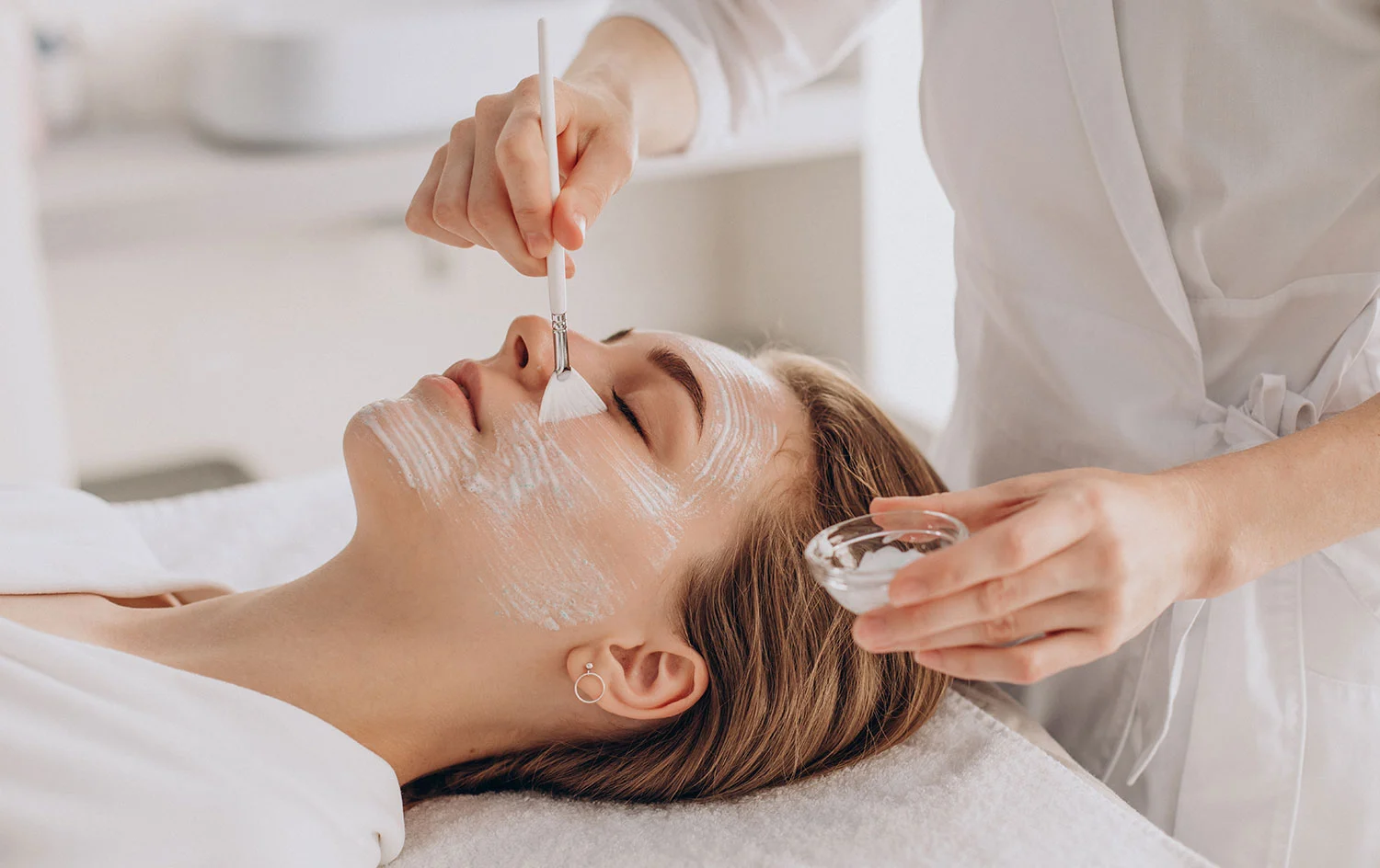
For many people struggling with acne, blackheads, oily skin, and stubborn post-acne marks, topical creams eventually stop feeling enough. That is often the point when dermatologists recommend professional chemical peels, especially salicylic acid peels. Among all acne-focused procedures available today, salicylic acid peels remain one of the most widely used and trusted options in dermatology clinics across India. They are relatively quick, affordable compared to advanced laser procedures, and effective for treating oily, acne-prone skin when performed correctly. But despite their popularity, there is still a lot of confusion around the process. Some people expect instant glass skin after one session. Others fear painful peeling or permanent skin damage. Social media videos showing dramatic flaking and redness often make the treatment seem more aggressive than it actually is. The truth lies somewhere in between. A salicylic acid peel can significantly improve acne, congestion, and excess oil production, but results depend heavily on skin type, acne severity, aftercare, and consistency. This guide explains exactly what happens before, during, and after a salicylic acid peel, along with costs in India, benefits, side effects, timelines, expert insights, and common mistakes to avoid. A salicylic acid peel is a type of chemical exfoliation treatment commonly used for acne-prone and oily skin. Salicylic acid belongs to the beta hydroxy acid (BHA) family and is oil-soluble, which means it can penetrate deep into pores and dissolve excess sebum, dead skin cells, and debris. This makes it especially useful for: Whiteheads Blackheads Mild inflammatory acne Congested pores Acne marks Excess oiliness Unlike harsher deep chemical peels, salicylic acid peels are generally considered superficial peels, meaning they primarily affect the upper layers of the skin. One reason dermatologists frequently recommend salicylic acid for acne is because it targets several acne triggers simultaneously. Most exfoliants work only on the skin surface. Salicylic acid can travel deeper into oily pores. People with acne-prone skin often produce excess sebum. Salicylic acid helps regulate this to some extent. This makes it useful for inflamed pimples and redness. Regular peel sessions may reduce recurring congestion and clogged pores. Salicylic acid peels are commonly recommended for: Oily skin Acne-prone skin Teen and adult acne Blackheads and whiteheads Mild acne marks Enlarged pores However, not everyone is an ideal candidate. A dermatologist may modify or avoid the procedure if you have: Extremely sensitive skin Active eczema Open wounds Severe cystic acne Recent sunburn Pregnancy-related skin sensitivity Preparation matters more than many people realize. Improper skincare before the peel can increase irritation and side effects. A proper consultation usually includes: Acne severity evaluation Skin sensitivity analysis Medical history review Current skincare routine assessment Dermatologists may also ask about: Previous peel experiences Retinoid use Oral acne medication Allergies Most dermatologists recommend temporarily avoiding: Retinol Tretinoin Harsh scrubs Waxing Strong exfoliating acids usually for several days before the session. Excess sun exposure before a peel can increase irritation risk and pigmentation complications. Using sunscreen consistently before treatment is important, especially in Indian weather conditions. The actual procedure is relatively quick and usually takes around 20–30 minutes. The skin is cleansed thoroughly to remove oil, sunscreen, makeup, and impurities. A special solution may be applied to remove excess oil so the peel penetrates evenly. The dermatologist applies the salicylic acid solution carefully across the treatment area. You may feel: Mild tingling Warmth Slight burning sensation This is usually temporary. The professional monitors frosting, redness, and skin tolerance carefully. Depending on the peel type, the solution may either self-neutralize or be removed after a few minutes. Hydrating or calming products are applied afterward along with sunscreen. Most people describe the discomfort as manageable. The sensation is often compared to: Mild stinging Tingling Temporary heat Pain levels vary depending on: Peel strength Skin sensitivity Acne inflammation Barrier health This is where many people become anxious because the skin may temporarily look different before improvement becomes visible. Right after treatment, you may notice: Mild redness Tightness Slight dryness Skin sensitivity These effects usually settle within hours or a few days. Not everyone experiences dramatic peeling. Some people notice: Tiny flakes Mild dryness around the nose and mouth Subtle exfoliation Others barely peel at all. Visible peeling does not always determine treatment effectiveness. Aftercare is critical for avoiding irritation and pigmentation. For several days after treatment, avoid: Scrubbing Picking peeling skin Steam facials Harsh exfoliation Direct sun exposure When performed correctly, salicylic acid peels can offer noticeable improvements. Many patients experience fewer clogged pores and inflammatory pimples over time. This is especially useful during humid Indian summers. Regular peels may smooth rough skin and reduce congestion. Superficial pigmentation can improve gradually with repeated sessions. The exfoliation process often makes skin look fresher and less dull. No dermatology treatment is completely risk-free. Some people experience initial breakouts as clogged pores clear out. Excessive dryness may occur if aftercare is poor. Improper sun protection can increase pigmentation risk in Indian skin tones. Overdoing chemical peels or combining them with strong actives can damage the skin barrier. Pricing depends on: City Dermatologist expertise Clinic reputation Peel concentration Combination treatments Some clinics combine salicylic peels with: LED therapy Medi-facials Carbon laser procedures which may increase costs. One session may temporarily improve glow and oiliness, but acne treatment usually requires multiple sessions. Most dermatologists space sessions about 2–4 weeks apart. Dermatology clinics are increasingly customizing peels based on: Skin tone Acne severity Barrier condition Climate sensitivity Some clinics now combine salicylic acid with: Mandelic acid Lactic acid Azelaic acid for targeted results. Modern acne care now emphasizes controlled exfoliation rather than aggressive peeling. Using multiple acids alongside professional peels can severely irritate the skin. Acne improvement takes consistency and patience. Sun exposure after peels can worsen pigmentation. Improper chemical peel application increases complication risks significantly. Many dermatologists now prefer salicylic acid peels because they offer: Good acne control Lower downtime Better tolerability Cost-effectiveness However, experts also emphasize that peels work best when combined with: Proper skincare Lifestyle correction Hormonal evaluation when needed Long-term acne management Salicylic acid peels remain one of the most effective and accessible professional treatments for acne-prone skin in India. They help reduce oiliness, unclog pores, improve skin texture, and support long-term acne management when used appropriately. But like any skincare procedure, results depend heavily on proper diagnosis, professional supervision, realistic expectations, and consistent aftercare. The best outcomes usually come from a balanced approach rather than aggressive treatment. Over-exfoliation, poor sun protection, and chasing instant results often create more skin problems than they solve. If you are struggling with recurring acne, oily skin, or persistent congestion, consulting a qualified dermatologist about salicylic acid peels may be a worthwhile step toward healthier skin. Indian Association of Dermatologists, Venereologists and Leprologists –https://www.iadvl.org National Health Portal India –https://www.nhp.gov.in Indian Journal of Dermatology –https://ijdvl.com National Medical Commission –https://www.nmc.org.in All India Institute of Medical Sciences –https://www.aiims.edu Statista –https://www.statista.comWhat Is a Salicylic Acid Peel?
Why Salicylic Acid Works So Well for Acne
It Exfoliates Inside the Pores
It Helps Reduce Oiliness
It Has Anti-Inflammatory Properties
It Helps Prevent Future Breakouts
Who Is a Good Candidate for a Salicylic Acid Peel?
People Who May Need Extra Caution
Before a Salicylic Acid Peel: What You Should Know
Skin Assessment and Consultation
Products to Avoid Before the Peel
Sun Protection Before Treatment
What Happens During a Salicylic Acid Peel Session?
Step-by-Step Salicylic Acid Peel Process
Step 1: Cleansing
Step 2: Degreasing the Skin
Step 3: Application of Salicylic Acid Solution
Step 4: Monitoring the Skin Response
Step 5: Neutralization or Removal
Step 6: Soothing Products and Sunscreen
Does a Salicylic Acid Peel Hurt?
After a Salicylic Acid Peel: What to Expect
Immediate After Effects
Peeling Phase
Post-Peel Skincare Routine
Recommended Aftercare Routine
Things to Avoid After the Peel
Salicylic Acid Peel Benefits for Acne
Reduced Acne Breakouts
Better Oil Control
Improvement in Skin Texture
Fading of Mild Acne Marks
Brighter Appearance
Drawbacks and Side Effects
Temporary Purging
Dryness and Peeling
Post-Inflammatory Hyperpigmentation
Sensitivity
Salicylic Acid Peel Cost in India
Average Price Range
How Many Sessions Are Usually Needed?
Salicylic Acid Peel vs Other Acne Treatments
Latest Trends in Acne Peels in India
Combination Peels
Focus on Barrier-Friendly Acne Treatments
Common Mistakes People Make With Salicylic Acid Peels
Over-Exfoliating at Home
Expecting Instant Results
Ignoring Sunscreen
Choosing Unqualified Providers
Expert Insights From Dermatologists
Conclusion
Sources
Frequently Asked Questions
Is salicylic acid peel safe for sensitive skin?
It can be safe in lower strengths under professional supervision, but sensitive skin may require patch testing or alternative treatments.
How long does peeling last after treatment?
Mild peeling may last anywhere from 2–7 days depending on skin response and peel strength.
Can salicylic acid peels remove acne scars?
They may improve mild superficial marks, but deep acne scars usually require advanced treatments.
Is there downtime after the peel?
Most people return to normal activities immediately, though mild redness or dryness may occur temporarily.
Can I wear makeup after a salicylic peel?
Dermatologists often recommend avoiding makeup for at least 24 hours after treatment.
How soon can I see results?
Some people notice smoother skin within days, while acne improvement typically requires multiple sessions.