
RF Microneedling for Acne Scars: How Many Sessions Do You Need?
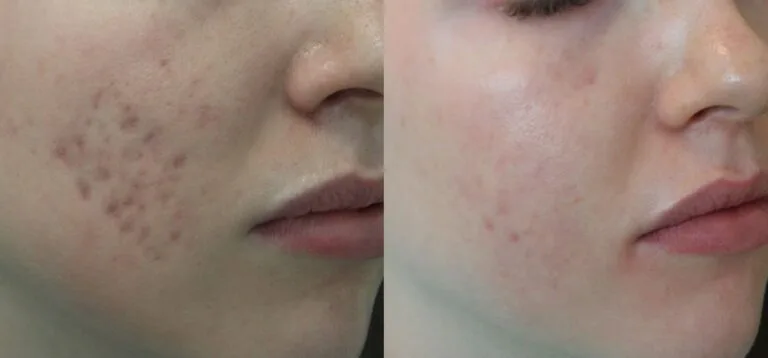
Acne scars can stay long after breakouts are gone. For many people in India, they affect confidence more than active acne itself. Makeup may soften the appearance temporarily, but deeper scars often need professional treatment. That’s where RF microneedling has gained massive attention in recent years. Dermatologists and aesthetic clinics across India are increasingly recommending this treatment because it combines two proven technologies — traditional microneedling and radiofrequency energy — to improve skin texture, reduce acne scars, and stimulate collagen naturally. But one question comes up almost every time: How many RF microneedling sessions are actually needed for acne scars? The answer depends on scar depth, skin type, healing response, and the technology being used. Some people notice visible improvement after just one or two sessions, while others with deep boxcar or rolling scars may need a more structured treatment plan. This guide explains everything in detail, including the process, session timeline, costs in India, recovery, benefits, side effects, and what realistic results actually look like. RF microneedling is a cosmetic skin procedure that uses ultra-fine needles combined with radiofrequency energy to stimulate collagen production deep within the skin. The treatment works in two ways simultaneously: Microneedles create controlled micro-injuries Radiofrequency heat stimulates deeper collagen remodeling This combination makes RF microneedling more advanced than standard microneedling for acne scars. Unlike surface-level treatments, RF energy reaches deeper skin layers where acne scars form. Over time, this helps smooth uneven texture and improve skin firmness. Popular RF microneedling systems used in India include: Morpheus8 Secret RF Scarlet RF Vivace RF Sylfirm X Clinics such as Siama also discuss advanced skin rejuvenation treatments and collagen-focused procedures as part of modern acne scar management approaches. Acne scars form because inflammation damages collagen during the healing process. RF microneedling encourages the skin to rebuild that lost support structure. It is particularly effective for: Rolling scars Boxcar scars Mild to moderate atrophic scars Enlarged pores Uneven skin texture Some dermatologists also combine RF microneedling with PRP, subcision, or fractional lasers for enhanced results in severe scarring cases. According to research published through the National Center for Biotechnology Information (NCBI), microneedling-based therapies can significantly improve acne scar appearance through collagen induction and dermal remodeling. This is the part most people care about. The number of RF microneedling sessions depends on: Scar severity Skin healing ability Device technology Treatment depth Whether combination treatments are added Most Indian dermatologists recommend at least 3 sessions for visible acne scar improvement. However, expecting complete scar removal is unrealistic. The goal is usually smoother texture, softer scar edges, and overall skin refinement. Many patients notice: Slight glow and tightening within 1–2 weeks Texture improvement after 1 month More visible scar reduction after 2–3 sessions Continued collagen improvement for several months Collagen remodeling is gradual. Skin continues improving even after the final session. Understanding the process helps reduce anxiety before your appointment. The dermatologist examines: Acne scar type Active acne presence Skin sensitivity Pigmentation risk Medical history This determines whether RF microneedling is suitable. A topical anesthetic is applied for around 30–45 minutes to minimize discomfort. The device creates controlled punctures while delivering radiofrequency heat into deeper skin layers. The session typically takes: 30–60 minutes depending on treatment area Skin may appear: Red Slightly swollen Warm Sensitive for 1–3 days Most people resume normal work within 24–48 hours. Pricing varies depending on: City Clinic reputation Device technology Dermatologist expertise Combination treatments Premium clinics using advanced FDA-cleared systems may charge more. Some clinics offer package pricing for multiple sessions, which reduces the overall cost. Most people describe it as uncomfortable rather than painful. Numbing cream significantly reduces discomfort, though sensitive areas like the cheeks and temples may still feel intense during deeper treatments. Pain tolerance also depends on: Needle depth RF intensity Skin sensitivity Device quality Modern RF systems are generally more comfortable than older technologies. Compared to aggressive lasers, recovery is usually shorter. This is one major reason RF microneedling became popular in India. Certain laser treatments can trigger post-inflammatory hyperpigmentation in darker skin tones. RF microneedling generally carries lower pigmentation risk when performed correctly. Besides scars, it may improve: Fine lines Enlarged pores Mild skin laxity Uneven texture Early aging signs Results develop gradually and often look more natural compared to fillers or temporary cosmetic fixes. No cosmetic procedure is perfect. Potential side effects include: Temporary redness Swelling Mild peeling Sensitivity Small pinpoint marks Temporary breakouts Rare complications may include: Hyperpigmentation Infection Burns from improper settings Worsening pigmentation if aftercare is ignored Choosing an experienced dermatologist matters significantly. Traditional microneedling may work for mild scars, but RF technology often delivers more noticeable improvement in deeper acne scarring cases. The Indian aesthetic dermatology market has evolved rapidly over the last few years. Current trends include: Dermatologists increasingly combine: RF microneedling + PRP RF microneedling + subcision RF microneedling + exosomes RF microneedling + chemical peels Modern devices allow adjustable needle depths for different scar types and facial areas. Patients increasingly prefer treatments with shorter recovery periods instead of aggressive resurfacing lasers. This is rarely true for acne scars. Most collagen remodeling requires multiple sessions over several months. RF microneedling improves scars but usually does not erase them entirely. Results are gradual because collagen takes time to rebuild. Professional RF systems use medical-grade energy and precision. Home rollers cannot match clinical outcomes. You may be a good candidate if you: Have mild to moderate acne scars Have realistic expectations Want minimal downtime Have stable acne Are generally healthy You may need caution if you: Have active cystic acne Are pregnant Have certain skin infections Scar easily Have uncontrolled medical conditions A proper dermatologist consultation is essential before treatment. One major mistake people make is comparing their acne scar journey with someone else’s results online. Two people can have similar-looking scars but completely different skin healing responses. Experienced dermatologists usually customize: Needle depth RF intensity Number of passes Session intervals Combination therapies This individualized approach often determines whether results look average or genuinely impressive. RF microneedling has become one of the most trusted treatments for acne scars in India because it balances effectiveness with relatively manageable downtime. Most people need somewhere between 3 to 6 sessions for meaningful improvement, though severe scars may require more extensive treatment plans. Results are gradual, which can actually be beneficial because the skin improves naturally over time rather than changing abruptly. The biggest factor influencing success is not just the technology itself — it’s the expertise behind the treatment plan. If you’re considering RF microneedling, choose a qualified dermatologist or reputed aesthetic clinic that understands Indian skin types and creates customized scar-treatment protocols. Clinics and educational resources like Siama also help patients understand modern skin rejuvenation options and realistic expectations before starting treatment. Patience matters with acne scar treatment. Collagen rebuilding is slow, but for many people, the confidence gained from smoother skin makes the process worthwhile. National Center for Biotechnology Information (NCBI) –https://www.ncbi.nlm.nih.gov Indian Association of Dermatologists, Venereologists and Leprologists (IADVL) –https://www.iadvl.org Ministry of Health and Family Welfare, Government of India –https://www.mohfw.gov.in Statista –https://www.statista.com Siama –https://www.siama.in/What Is RF Microneedling?
Why RF Microneedling Works Well for Acne Scars
So, How Many Sessions Do You Really Need?
Average RF Microneedling Sessions for Acne Scars
When Will You Start Seeing Results?
RF Microneedling Treatment Process Step by Step
Step 1: Skin Consultation
Step 2: Numbing Cream Application
Step 3: RF Microneedling Procedure
Step 4: Post-Treatment Care
RF Microneedling Cost in India
Average RF Microneedling Price in India
Is RF Microneedling Painful?
Benefits of RF Microneedling for Acne Scars
1. Minimal Downtime
2. Safe for Indian Skin Tones
3. Improves Multiple Concerns Together
4. Natural Collagen Production
Drawbacks and Side Effects
RF Microneedling vs Traditional Microneedling
Latest Trends in Acne Scar Treatments in India
Combination Treatments
Customized Treatment Depths
Focus on Minimal Downtime
Common Misconceptions About RF Microneedling
“One session is enough”
“It removes scars completely”
“It works instantly”
“At-home devices give the same results”
Who Is a Good Candidate?
Expert Insight: Why Personalized Treatment Plans Matter
Final Thoughts
Sources
Frequently Asked Questions
How long do RF microneedling results last?
Results can last several years if skin health is maintained properly. However, aging and collagen loss continue naturally over time.
Can RF microneedling permanently remove acne scars?
It improves scars significantly but usually does not remove them completely.
Is RF microneedling better than laser for acne scars?
For many Indian skin tones, RF microneedling may carry a lower pigmentation risk compared to some aggressive laser treatments.
Can I wear makeup after treatment?
Most dermatologists recommend waiting at least 24–48 hours.
What age is best for RF microneedling?
There is no strict age requirement. Many patients seek treatment in their 20s and 30s after acne stabilizes.
Can RF microneedling cause skin thinning?
No. When done correctly, it stimulates collagen rather than thinning the skin.