
Q-Switch Laser vs Chemical Peel for Pigmentation: Which Wins?
Pigmentation is one of the most stubborn skin concerns people deal with in India. Whether it appears as acne marks, tanning, melasma, uneven patches, or post-inflammatory hyperpigmentation, getting rid of discoloration often takes far more than basic skincare.
That is usually when people start comparing professional treatments and asking one major question:
Should you choose a Q-Switch laser or a chemical peel for pigmentation?
Both treatments are extremely popular in Indian dermatology clinics. Both promise brighter skin, reduced dark spots, and improved skin tone. And both can deliver impressive results when chosen correctly.
But here is the reality most advertisements do not explain clearly:
Neither treatment is universally “better.” The right option depends on your skin type, pigmentation depth, sensitivity, lifestyle, downtime tolerance, and long-term skin goals.
A treatment that works beautifully for one person may trigger irritation or disappointing results in another.
This detailed guide breaks down the differences between Q-Switch laser and chemical peels, including how they work, costs in India, treatment timelines, benefits, drawbacks, expert insights, and which option may suit different pigmentation concerns best.
Understanding Pigmentation: Why It Happens
Pigmentation occurs when melanin production becomes uneven or excessive.
Common causes include:
Acne inflammation
Sun exposure
Hormonal changes
Skin injuries
Heat exposure
Aging
Improper skincare practices
Indian skin tones are especially prone to post-inflammatory hyperpigmentation because melanin-producing cells react strongly to irritation and inflammation.
This is why even small pimples or mild skin injuries can leave long-lasting dark marks.
What Is a Q-Switch Laser?
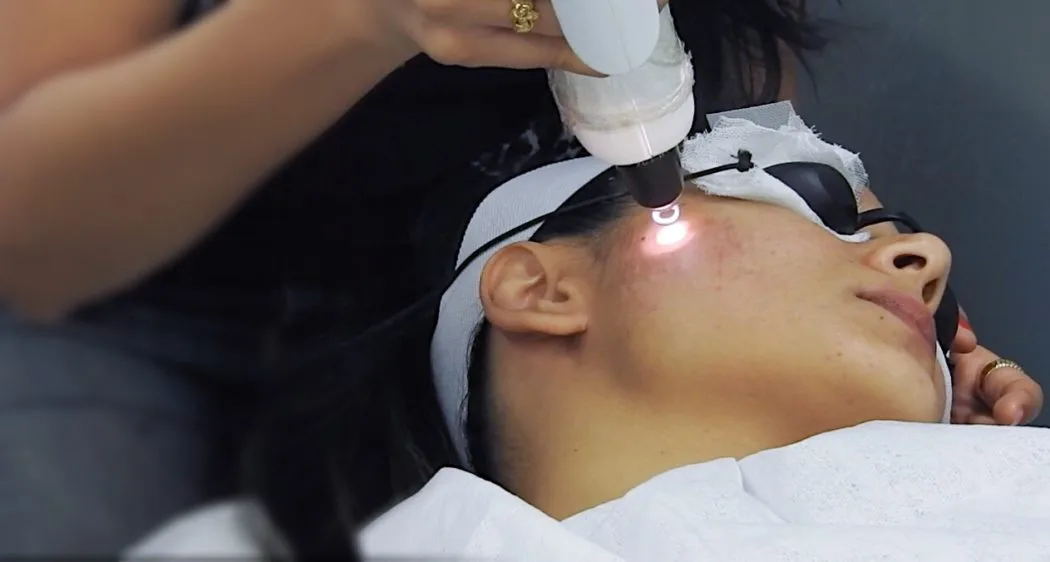
Q-Switched laser treatment uses short pulses of high-intensity laser energy to target excess pigment in the skin.
The laser breaks pigment particles into smaller fragments, which the body gradually clears naturally over time.
Common Pigmentation Concerns Treated With Q-Switch Laser
Acne pigmentation
Sun spots
Uneven skin tone
Mild melasma
Tanning
Freckles
Superficial pigmentation
Q-Switch lasers are widely used in Indian dermatology clinics because they can target pigmentation with relatively low downtime when performed properly.
What Is a Chemical Peel?
A chemical peel is a controlled exfoliation treatment that removes damaged outer skin layers using acids.
Different acids target different concerns.
Common Peel Types Used for Pigmentation
Chemical peels are often chosen because they improve both texture and pigmentation simultaneously.
How Q-Switch Laser Works
The laser energy selectively targets melanin deposits beneath the skin surface.
During the Session
Patients may experience:
Mild snapping sensation
Warmth
Temporary redness
The session usually takes around 20–45 minutes depending on the treatment area.
Recovery After Q-Switch Laser
Most people experience:
Mild redness
Slight sensitivity
Temporary dryness
Recovery is usually relatively quick when proper settings are used.
How Chemical Peels Work
Chemical peels accelerate exfoliation by loosening dead skin cells and stimulating skin renewal.
During a Chemical Peel Session
The process usually includes:
Cleansing
Degreasing
Acid application
Monitoring skin response
Neutralization
Sunscreen application
Mild tingling or stinging is common during treatment.
Recovery After Chemical Peels
Depending on peel strength, patients may experience:
Mild peeling
Dryness
Tightness
Temporary redness
Downtime varies from minimal to several days.
Q-Switch Laser vs Chemical Peel: Key Differences
Which Treatment Works Better for Acne Pigmentation?
This depends on the type of pigmentation.
Chemical Peels May Be Better For:
Fresh post-acne marks
Oily acne-prone skin
Congested pores
Mild superficial pigmentation
Q-Switch Laser May Be Better For:
Stubborn pigmentation
Uneven skin tone
Sun damage
Certain deeper pigment concerns
In many Indian clinics, dermatologists combine both treatments strategically.
Cost Comparison in India
Pricing varies depending on:
City
Dermatologist expertise
Technology used
Number of sessions
Combination treatments
Average Q-Switch Laser Cost
Average Chemical Peel Cost
Chemical peels are generally more affordable than laser procedures.
Which Treatment Has Faster Results?
This is one of the biggest misconceptions in pigmentation treatment.
Neither treatment delivers instant permanent results.
Typical Timeline
Pigmentation often improves progressively over weeks and months rather than overnight.
Benefits of Q-Switch Laser
Precise Pigment Targeting
The laser specifically targets melanin deposits.
Minimal Downtime
Many patients resume normal activities quickly.
Suitable for Uneven Pigmentation
Useful for widespread tone irregularities.
Skin Brightening Effect
Some patients notice improved radiance after sessions.
Drawbacks of Q-Switch Laser
Higher Cost
Laser sessions are generally more expensive.
Risk of Pigmentation Worsening
Improper settings in melanin-rich Indian skin can trigger post-inflammatory hyperpigmentation.
Multiple Sessions Needed
Results are gradual rather than immediate.
Benefits of Chemical Peels
Cost-Effective
Peels are usually more budget-friendly.
Helps Acne and Pigmentation Together
Especially useful for oily acne-prone skin.
Improves Texture
Can smooth rough or dull skin.
Flexible Treatment Options
Different peel strengths suit different concerns.
Drawbacks of Chemical Peels
Peeling and Dryness
Some people experience visible flaking.
Sun Sensitivity
Strict sunscreen use is essential.
Not Ideal for Very Deep Pigmentation Alone
Severe pigmentation may require combination therapy.
Which Is Safer for Indian Skin?
This is extremely important.
Indian skin tones are more prone to:
Post-inflammatory hyperpigmentation
Heat-induced pigmentation
Barrier damage
Both Q-Switch lasers and chemical peels can be safe when performed correctly by experienced dermatologists.
However:
Aggressive laser settings
Deep peels
Poor aftercare
Inadequate sun protection
can all worsen pigmentation.
Latest Pigmentation Treatment Trends in India
Combination Therapies
Modern clinics increasingly combine:
Q-Switch lasers
Chemical peels
Topical skincare
Oral antioxidants
for more balanced results.
Low-Downtime Treatments
Professionals and students increasingly prefer treatments that allow quick return to routine activities.
Customized Treatment Planning
Dermatologists now tailor procedures based on:
Skin tone
Pigmentation depth
Barrier health
Lifestyle
Acne history
Common Mistakes People Make
Choosing Treatments Based on Social Media Trends
Trending treatments are not always suitable for every skin type.
Ignoring Sunscreen
This is one of the biggest reasons pigmentation returns.
Over-Treating the Skin
Too many procedures too quickly can worsen inflammation.
Going to Unqualified Providers
Pigmentation treatments require proper dermatological assessment.
Expert Insights From Dermatologists
Many dermatologists now emphasize that successful pigmentation treatment is not just about removing existing marks. It also involves preventing future inflammation and protecting the skin barrier.
Experts increasingly recommend:
Conservative treatment progression
Combination therapies
Daily sunscreen
Long-term maintenance skincare
rather than aggressive “instant whitening” approaches.
Who Should Consider Q-Switch Laser?
Q-Switch laser may suit people with:
Stubborn pigmentation
Uneven skin tone
Tanning
Mild melasma
Acne marks resistant to skincare
Who Should Consider Chemical Peels?
Chemical peels may suit people with:
Oily skin
Active acne
Mild pigmentation
Congested pores
Dull texture
Can Both Treatments Be Combined?
Yes. Many dermatologists combine chemical peels and Q-Switch laser treatments in separate sessions for better overall improvement.
Combination treatment plans are becoming increasingly common in Indian dermatology clinics.
Conclusion
So, which wins in the battle between Q-Switch laser and chemical peels for pigmentation?
The honest answer is that there is no universal winner.
Chemical peels are often excellent for oily skin, superficial pigmentation, acne marks, and texture improvement at a relatively affordable cost. Q-Switch lasers may offer better precision for stubborn pigmentation and uneven skin tone when performed carefully.
For many people, the best results actually come from combining both treatments strategically under dermatologist guidance.
The most important factor is not choosing the trendiest procedure but choosing the safest and most appropriate option for your skin type, pigmentation pattern, and long-term skin health.
Pigmentation treatment requires patience, consistency, sunscreen discipline, and realistic expectations. Quick-fix promises often create more damage than improvement.
Sources
Indian Association of Dermatologists, Venereologists and Leprologists –https://www.iadvl.org
National Health Portal India –https://www.nhp.gov.in
Indian Journal of Dermatology –https://ijdvl.com
National Medical Commission –https://www.nmc.org.in
All India Institute of Medical Sciences –https://www.aiims.edu
Statista –https://www.statista.com
Frequently Asked Questions
Which is better for acne marks: Q-Switch laser or chemical peel?
Chemical peels often work well for fresh superficial acne marks, while Q-Switch lasers may help stubborn pigmentation.
Is Q-Switch laser painful?
Most patients describe the sensation as mild snapping or tingling.
How many sessions are needed?
Most pigmentation treatments require multiple sessions for visible improvement.
Are chemical peels safe for sensitive skin?
Certain mild peels may be suitable under dermatologist supervision.
Can pigmentation return after treatment?
Yes. Sun exposure, hormones, and inflammation can trigger recurrence.
Which treatment is more affordable?
Chemical peels are generally less expensive than Q-Switch laser treatments.