
Melasma in Indian Women: What Triggers It and How to Treat It
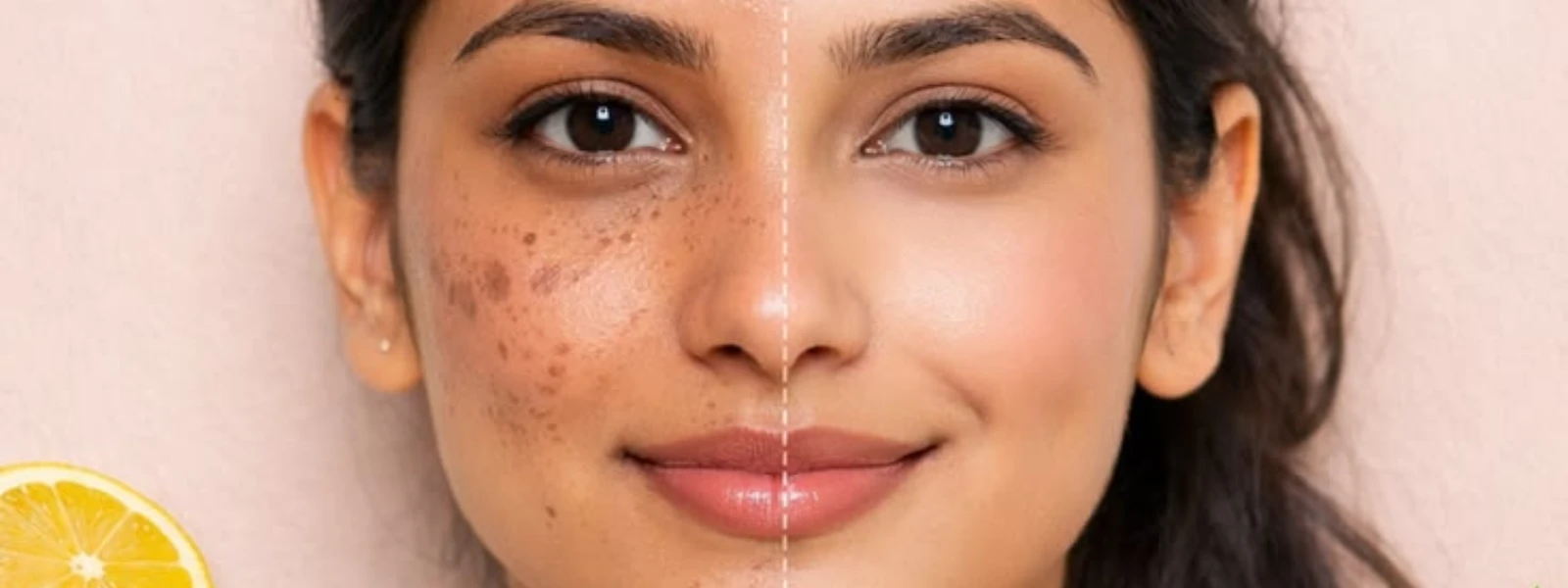
If you’ve seen stubborn brown or grey spots on your cheeks, forehead, upper lip or jawline, you’re not alone. Melasma is one of the most common pigmentation concerns that come to the attention of dermatologists in India. It is more prevalent among women than men. Unlike a simple suntan or an acne scar, melasma can be challenging, difficult to manage and often do not respond to over-the-counter (OTC) skin care treatments. Fortunately, if you know the common things that trigger melasma and the best ways to manage it, then your chance of getting rid of melasma will improve. To maximize your chances of being free of melasma, you should manage melasma as early and as realistically as possible since most people have an ongoing long-term relationship with their melasma, and thus will require long-term management of their melasma. Melasma is an abnormal skin condition characterised by patches of extra skin pigment on sun-exposed areas of the skin. Melasma happens when the pigment-producing cells in our skin (melanocytes) become hyperactive. Melasma is occurring most frequently in people with skin tone 3–5 making melasma much more common in women in India than in other populations. Most women experience their first instances of melasma during pregnancy using oral contraceptives experiencing hormonal imbalances perimenopausal. These hormones can stimulate the production of excess melanin. Heat from the sun or other sources may be a significant contributor to melasma, especially in tropical countries where temperatures are typically at a high point many months of the year. If you have a family history of melasma your chance of having it will be higher than if you were not genetically related to anyone with melasma. Excessive use of harsh scrubs, exfoliants, or non-appropriate skin care products can exacerbate melasma by producing inflammation in the skin; sometimes causing additional pigmentation. A dermatologist typically evaluates: Pigmentation depth Distribution pattern Medical history Hormonal factors Current skincare routine Also, at times the use of a Wood's Lamp will assist the dermatologist evaluate if the pigmentation is located nearer the free surface of the skin or at a deeper level of the skin. Since no single type of treatment will work for everyone, the most successful results occur when you combine professional procedures with a complementary home-care routine. Some ingredients that dermatologists often prescribe include: - Hydroquinone - Azelaic Acid - Kojic Acid - Retinoids - Tranexamic Acid Formulations These medical-grade topical treatments help to minimize melanin production and enhance skin cell turnover. Chemical peels are beneficial for improving dark spots caused by melasma when performed by qualified professionals. - Brightened appearance - Enhanced skin texture - Decreased superficial pigmentation - Large number of sessions may be necessary - Temporary redness or peeling of the skin may occur An increasing number of dermatology clinics are utilizing advances in laser technology for targeted treatment of specific types of melasma on certain patients. However, not all patients will be candidates for laser treatment. Improperly administered lasers could potentially exacerbate pigmentary irregularities. Most clinics such as Siama Skin & Hair Clinic focus heavily on creating individualized plans specific to each patient's pigmentation treatment needs rather than providing one standard plan for all patients to address their pigmentation problems. Actual fees depend on the severity of melasma, treatment type, and number of sessions required. Melasma does not disappear overnight. Consistency is often more important than aggressive treatment. Home remedies may provide temporary brightness but are unlikely to significantly improve established melasma. Melasma is a medical pigmentation disorder, not simply tanning. Melasma typically requires long-term management and maintenance. Visible light from windows and screens can contribute to pigmentation concerns in susceptible individuals. Many internet remedies lack scientific evidence and may irritate the skin further. Indian dermatology clinics are increasingly incorporating: Tranexamic acid-based therapies Combination treatment protocols Low-downtime pigmentation procedures Personalized skincare regimens The trend in the industry has changed to one of long-term melasma management instead of permanent cures. In Indian women, melasma has different stimuli such as; sunlight, hormones, heat and genetics. While there is no permanent cure, combination treatment from a dermatologist plus sun protection and careful sun protection will lead to significant improvement in skin appearance. The sooner treatment starts, the easier it is to manage the melasma pigment and to avoid it becoming more deeply pigmented and/or resistant. Professional skin consultation to receive a personalized plan for the visible components of your melasma as well as the underlying factors is the best way to manage your melasma condition. National Center for Biotechnology Information (NCBI) –https://www.ncbi.nlm.nih.gov Indian Association of Dermatologists, Venereologists and Leprologists (IADVL) –https://www.iadvl.org Ministry of Health and Family Welfare, Government of India –https://www.mohfw.gov.in National Health Portal, Government of India –https://www.nhp.gov.in Siama Skin & Hair Clinic –https://www.siama.in/What is Melasma?
Research shows that melasma is more common in females compared to males and how it is correlated to hormonal changes and exposure to the sun's uv rays. What Causes Melasma to Occur in Indian Females?
Sunlight:
Sunlight exposure is the principal causal factor to developing melasma in people living in India; due to Indian weather conditions this means individuals are exposed to uv radiation for extended periods of time on an almost year-round basis. Additionally, even short periods spent in direct sunlight without sunscreen can worsen melasma pigmentation in the affected area. Hormonal changes:
Heat:
Genetics:
Skin Irritation:
Diagnosis of melasma
Melasma Treatments
Medical Grade Topical Treatments
Chemical Peels
Advantages
Disadvantages
Laser and More Advanced Treatments
Melasma Treatment Cost in India
Treatment Timeline: How Long Does It Take?
Professional Treatments vs Home Remedies
Misunderstandings about Melasma:
"It's Just a Tan"
"One Peel Will Cure It"
"Sunscreen Is Optional Indoors"
"Natural Remedies Always Work"
Industry Trends in India:
Conclusion:
Sources
Frequently Asked Questions
Can melasma be cured permanently?
Melasma can often be controlled effectively, but recurrence is possible, especially with sun exposure and hormonal triggers.
Which sunscreen is best for melasma?
A broad-spectrum sunscreen with SPF 50 and protection against both UV and visible light is generally recommended.
Is laser treatment safe for melasma?
When selected appropriately and performed by experienced professionals, laser treatments can help certain patients. However, not all cases are ideal candidates.
How much does melasma treatment cost in India?
Costs vary widely, but many patients spend between ₹5,000 and ₹50,000 or more depending on treatment complexity.