
Hormonal Acne in Women: Causes, Signs and Treatment Options
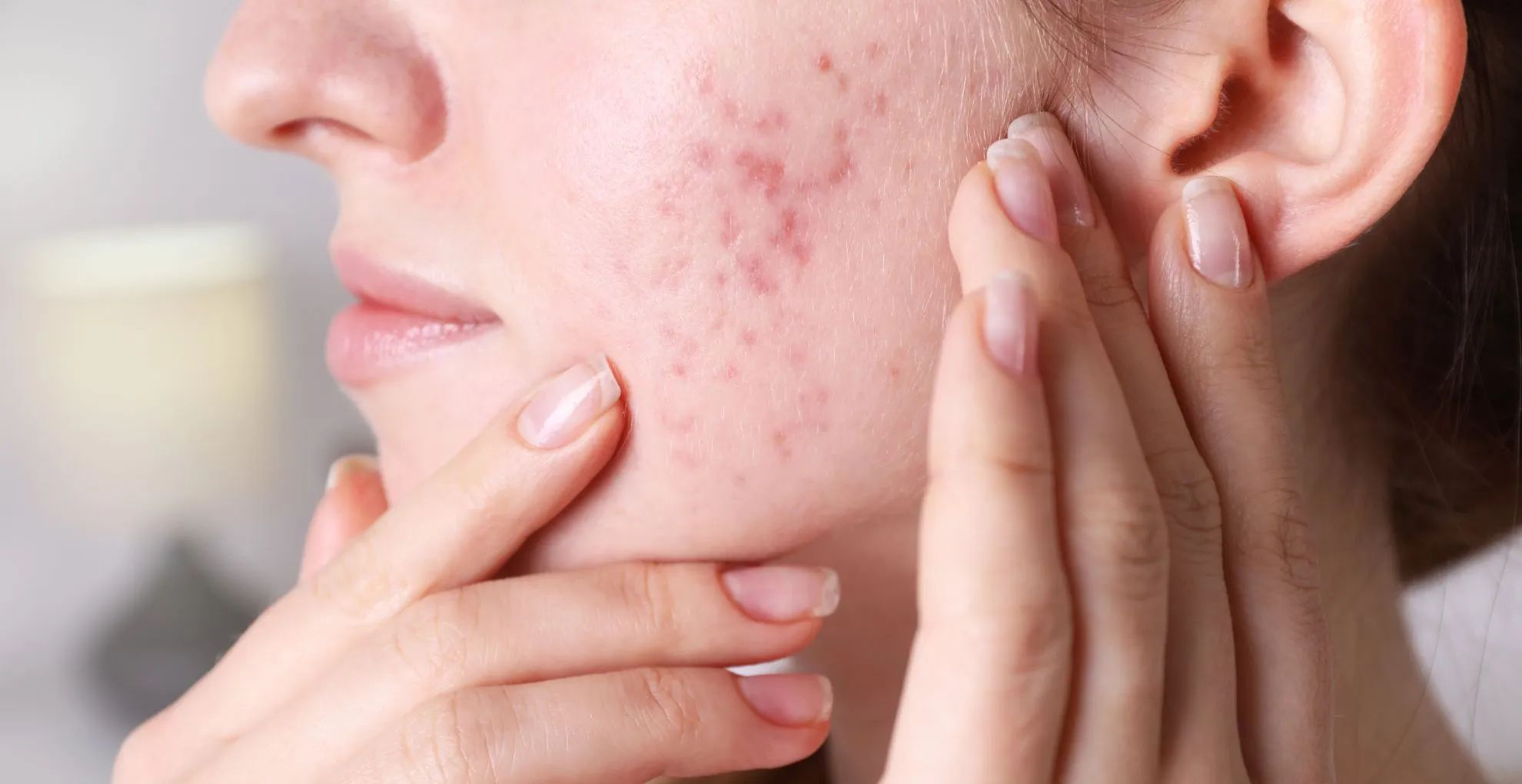
Hormonal acne is one of the most frustrating skin concerns many women deal with, especially because it rarely behaves like ordinary teenage pimples. It often appears suddenly, becomes painfully inflamed, leaves stubborn marks behind, and tends to return at the same time every month.
For some women, it starts in their late 20s or early 30s despite never having acne during adolescence. Others struggle with recurring jawline breakouts for years without realizing hormones are the actual trigger.
In India, dermatologists are seeing a noticeable rise in adult female acne cases linked to stress, lifestyle changes, PCOS, sleep disruption, pollution exposure, and hormonal fluctuations. Social media trends and self-treatment routines have also made the problem worse by encouraging aggressive skincare without proper diagnosis.
The good news is that hormonal acne can be managed effectively with the right combination of medical treatment, skincare, lifestyle correction, and patience.
This detailed guide explains everything women in India should know about hormonal acne, including causes, symptoms, treatment costs, timelines, latest trends, and dermatologist-backed solutions.
What Is Hormonal Acne?
Hormonal acne refers to acne breakouts triggered or worsened by fluctuations in hormones, particularly androgens. These hormones increase oil production in the skin, leading to clogged pores and inflammation.
Unlike random occasional pimples, hormonal acne tends to follow a pattern.
It commonly:
Appears around the chin and jawline
Flares before periods
Feels deep and painful
Persists longer than regular acne
Leaves pigmentation or scars more easily
While hormonal changes naturally occur throughout life, some women become more sensitive to these fluctuations than others.
Why Hormonal Acne Is Increasing Among Women in India
Dermatologists across India have reported growing cases of adult female acne over the last decade.
Several factors are believed to contribute:
Rising PCOS Cases
Polycystic Ovary Syndrome (PCOS) is one of the most common hormonal disorders affecting Indian women and is strongly associated with acne.
Stress and Sleep Disturbance
Long work hours, academic pressure, and digital overstimulation can increase cortisol levels, indirectly affecting hormones and inflammation.
Pollution and Humidity
Indian urban environments expose skin to pollution particles, heat, and humidity that can aggravate acne-prone skin.
Overuse of Active Skincare Products
Many women now use multiple acids, retinols, and exfoliants simultaneously after seeing online skincare trends. This often damages the skin barrier and worsens inflammation.
Common Causes of Hormonal Acne in Women
Hormonal acne is rarely caused by one factor alone. It is usually a combination of internal and external triggers.
Menstrual Cycle Hormonal Changes
Many women notice acne worsening about 7–10 days before their periods.
This happens because hormonal shifts during the menstrual cycle stimulate sebaceous glands to produce more oil.
Polycystic Ovary Syndrome (PCOS)
PCOS is among the most common medical causes of hormonal acne in India.
Women with PCOS may also experience:
Irregular periods
Weight gain
Excess facial hair
Hair thinning
Difficulty managing acne
Stress-Induced Hormonal Imbalance
Stress hormones can increase inflammation and oil production, making breakouts more frequent and severe.
Pregnancy and Postpartum Hormonal Changes
Hormonal fluctuations during pregnancy and after childbirth can temporarily trigger acne flare-ups.
Perimenopause
Some women develop acne for the first time during their late 30s and 40s due to hormonal instability during perimenopause.
Signs and Symptoms of Hormonal Acne
Hormonal acne has certain recognizable patterns.
Typical Locations
Appearance of Hormonal Acne
Hormonal acne often includes:
Painful cysts
Red inflamed bumps
Deep nodules
Tender pimples without visible heads
Recurring acne in the same spots
Difference Between Hormonal Acne and Regular Acne
How Dermatologists Diagnose Hormonal Acne
Diagnosis usually involves:
Skin examination
Medical history review
Menstrual cycle discussion
Hormonal symptom assessment
In some cases, doctors may recommend:
Hormone blood tests
Ultrasound for PCOS evaluation
Thyroid testing
Not every woman with hormonal acne requires extensive testing. The decision depends on symptoms and medical history.
Best Treatment Options for Hormonal Acne in Women
Treatment varies depending on severity, hormonal status, lifestyle, and skin sensitivity.
Topical Treatments
These are commonly prescribed for mild to moderate hormonal acne.
Retinoids
Retinoids help unclog pores and reduce inflammation.
Commonly prescribed options:
Adapalene
Tretinoin
Benzoyl Peroxide
Helps reduce acne-causing bacteria and inflammatory lesions.
Azelaic Acid
Useful for both acne and post-acne pigmentation, especially in Indian skin tones.
Niacinamide
Supports oil control and barrier repair.
Oral Medications
Moderate to severe hormonal acne often requires internal treatment.
Hormonal Therapy
Some women benefit from hormonal regulation medications prescribed by dermatologists or gynecologists.
Oral Contraceptive Pills
Certain birth control pills may help regulate hormone-related acne.
Anti-Androgen Medication
Spironolactone is increasingly used in dermatology for hormonal acne management in suitable patients under medical supervision.
Oral Antibiotics
Short-term antibiotics may be prescribed for inflammatory acne.
Lifestyle and Dietary Management
Lifestyle changes alone may not completely cure hormonal acne, but they can significantly support treatment.
Helpful Lifestyle Practices
Maintaining consistent sleep
Managing stress levels
Reducing high-sugar processed foods
Exercising regularly
Avoiding smoking
Diet and Hormonal Acne
Research on diet and acne is still evolving, but some women notice improvement by reducing:
Excess sugar
Refined carbohydrates
High dairy intake
Diet responses vary individually.
Clinical Treatments for Hormonal Acne
Many women now combine medical therapy with dermatology procedures for faster improvement.
Chemical Peels
Salicylic acid and mandelic acid peels are commonly used for acne and pigmentation.
Average Cost in India
Laser Treatments
Laser procedures may help:
Active acne
Oil control
Acne marks
Common Laser Options
Carbon Laser Facial
Q-Switched Laser
LED Light Therapy
Typical Pricing
Prices vary based on city, clinic expertise, and technology used.
Timeline: How Long Does Hormonal Acne Take to Improve?
This is one of the most important things patients should understand.
Hormonal acne rarely improves overnight.
Consistency matters far more than quick fixes.
Benefits of Treating Hormonal Acne Properly
Effective treatment can improve:
Skin texture
Confidence
Pigmentation
Scarring prevention
Oil control
Emotional wellbeing
Many women also notice reduced stress and better quality of life once acne becomes manageable.
Drawbacks and Challenges of Hormonal Acne Treatment
There are also challenges people should realistically expect.
Trial-and-Error Process
Finding the right treatment combination can take time.
Temporary Purging
Some treatments initially worsen acne before improvement begins.
Recurrence Risk
Hormonal acne can return if triggers remain unmanaged.
Medication Side Effects
Certain oral medications may not suit everyone and require monitoring.
Common Mistakes Women Make With Hormonal Acne
Overusing Harsh Products
Too many acids and scrubs can worsen inflammation.
Ignoring Medical Causes
Persistent acne may require hormonal evaluation rather than only cosmetic treatment.
Picking or Squeezing Pimples
This increases pigmentation and scarring risk, especially in Indian skin tones.
Following Random Social Media Advice
Not every viral skincare trend is safe or evidence-based.
Latest Hormonal Acne Trends in India
Several important trends are shaping acne treatment in Indian dermatology clinics.
Customized Acne Programs
Clinics are moving away from generic treatments toward personalized plans.
Barrier-Focused Skincare
More dermatologists now emphasize repairing the skin barrier rather than over-drying acne.
Increased Awareness About PCOS
Women are becoming more proactive about hormonal health and acne triggers.
Combination Treatments
Many clinics now combine:
Medication
Laser procedures
Peels
Lifestyle guidance
for better long-term outcomes.
When Should You See a Dermatologist?
You should consider professional help if:
Acne is painful or cystic
Breakouts leave scars
Acne affects confidence or mental health
Over-the-counter products are not working
Periods are irregular
Facial hair growth increases suddenly
Early treatment reduces long-term scarring risk significantly.
Conclusion
Hormonal acne in women is far more complex than occasional breakouts. It is influenced by hormones, stress, lifestyle, genetics, skin sensitivity, and overall health.
What makes it especially frustrating is its persistence. Many women spend years trying random skincare products before understanding the hormonal connection behind their acne.
The encouraging part is that treatment options today are far more advanced and personalized than they were a decade ago.
From prescription medications and clinical procedures to barrier-focused skincare and hormonal management, women now have multiple evidence-based options available in India.
The key is avoiding panic-driven experimentation and choosing a consistent, medically guided approach instead.
If your acne keeps returning around the chin and jawline, worsens before periods, or leaves deep painful lesions, consulting a qualified dermatologist early can prevent years of unnecessary frustration and long-term scarring.
Sources
Indian Association of Dermatologists, Venereologists and Leprologists –https://www.iadvl.org
National Health Portal India –https://www.nhp.gov.in
Indian Journal of Dermatology –https://ijdvl.com
National Medical Commission –https://www.nmc.org.in
All India Institute of Medical Sciences –https://www.aiims.edu
Mayo Clinic –https://www.mayoclinic.org
Statista –https://www.statista.com
Frequently Asked Questions
Can hormonal acne go away naturally?
Some women experience improvement with age or hormonal stabilization, but persistent hormonal acne usually requires treatment.
Is hormonal acne linked to PCOS?
Yes. PCOS is one of the most common medical conditions associated with hormonal acne in women.
Which foods worsen hormonal acne?
Some women notice flare-ups from sugary foods, processed carbohydrates, or excessive dairy, though triggers vary individually.
Can hormonal acne be permanently cured?
There is no guaranteed permanent cure, but long-term control is possible with consistent treatment and lifestyle management.
Are facials enough to treat hormonal acne?
Facials alone usually cannot address underlying hormonal causes, though they may support skin maintenance.
Does stress really worsen hormonal acne?
Yes. Stress hormones can increase inflammation and oil production, contributing to acne flare-ups.