
Home Remedy vs Clinical Treatment for Acne: Honest Comparison
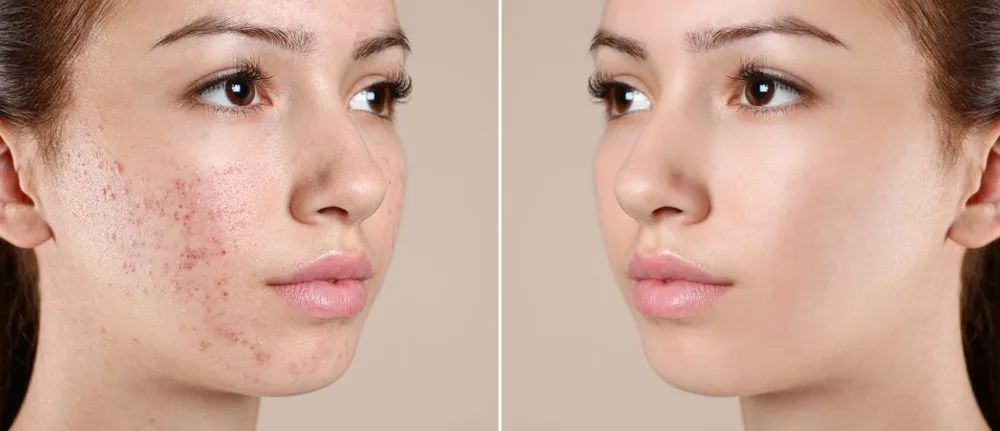
Almost everyone has received acne advice from someone at home. “Apply toothpaste.” Some home remedies may temporarily calm oily skin or mild breakouts. Others can irritate the skin badly and make acne worse. At the same time, clinical treatments are often viewed as expensive, aggressive, or unnecessary for “normal pimples.” This confusion leaves many people stuck between DIY solutions and professional dermatology treatments, especially when acne becomes persistent or starts leaving scars. The reality is that both home remedies and clinical treatments have a place — but they work very differently, and they are not equally effective for every type of acne. This guide offers an honest comparison based on dermatology science, practical skincare experience, and current treatment trends in India. It explains what home remedies can realistically do, where clinical treatments become necessary, what they cost, the risks involved, and how to make smarter decisions for long-term skin health. Acne is not caused by “dirty skin” alone. It develops through a combination of factors: Excess oil production Clogged pores Bacterial growth Hormonal fluctuations Inflammation Genetics Common forms of acne include: The treatment approach depends heavily on the type and severity of acne. This is where many home remedies fail — they treat all acne as if it’s the same problem. Home remedies usually involve natural ingredients or DIY skincare methods commonly used without medical supervision. Popular examples in India include: Neem paste Aloe vera gel Turmeric masks Honey application Multani mitti Ice therapy Tea tree oil Steam treatments Some people also try dietary changes or herbal supplements alongside topical remedies. Sometimes — but usually only for mild issues. Home remedies may help with: Mild oiliness Temporary inflammation Surface-level soothing Skin cooling Minor redness However, they are generally less effective for: Moderate to severe acne Hormonal acne Deep cystic acne Persistent inflammatory breakouts The biggest issue is inconsistency. Natural ingredients vary widely in concentration and purity. For example, raw turmeric used at home is very different from standardized dermatology-grade formulations. Most ingredients are inexpensive and easily available. People can start home remedies immediately without appointments or prescriptions. Certain ingredients like aloe vera or diluted tea tree oil may soothe irritated skin temporarily. Many people feel emotionally reassured using familiar traditional remedies passed through generations. This is where honesty becomes important. Many DIY treatments show little improvement for moderate acne. Ingredients like lemon juice, baking soda, toothpaste, or undiluted essential oils can damage the skin barrier. Home remedies cannot regulate hormones, deeply unclog pores, or control severe inflammation effectively. One major concern dermatologists see is people waiting too long while acne worsens and scars develop. Clinical treatments are dermatologist-guided therapies based on medical diagnosis and skin assessment. These may include: Prescription creams Oral medications Chemical peels Acne facials RF microneedling Extraction procedures Hormonal treatment plans Clinics and educational platforms like Siama also discuss evidence-based skin treatments and advanced acne management approaches tailored to different skin concerns. Professional treatment usually follows a structured process. The dermatologist checks: Acne severity Skin type Hormonal triggers Scarring Pigmentation Existing skincare habits Treatment may involve: Topical medications Oral antibiotics Retinoids Salicylic acid Benzoyl peroxide Procedures Acne treatment often evolves over several months depending on skin response. Pricing varies widely depending on severity and clinic expertise. Severe acne requiring long-term management naturally costs more than mild acne treatment. You may manage mild acne at home if you only experience: Occasional pimples Mild oiliness Small blackheads Minimal inflammation A simple skincare routine may help significantly. You should strongly consider professional help if you have: Painful cystic acne Frequent breakouts Acne scars Emotional distress from acne Acne lasting several months Sudden adult acne flare-ups Early treatment often prevents permanent scarring. May calm irritation mildly but is not a complete acne treatment. Contains antibacterial properties, though evidence for acne treatment remains limited. May reduce inflammation slightly, but homemade masks can stain or irritate skin. Often harmful due to acidity and risk of irritation or pigmentation. One of the worst DIY trends for acne. It may dry the skin aggressively and worsen irritation. The acne treatment industry has evolved significantly. Dermatologists increasingly customize routines based on: Skin sensitivity Acne type Pigmentation risk Lifestyle factors Modern dermatology now avoids overly harsh stripping products. Clinics increasingly combine: LED therapy RF microneedling Laser treatments More young adults now seek early intervention before scars develop. Acne is not just cosmetic. For many people, it affects: Confidence Social comfort Workplace interactions Mental well-being Studies published through organizations like the National Center for Biotechnology Information (NCBI) have discussed acne’s psychological impact, especially in young adults. This emotional aspect is often underestimated in casual skincare advice. Overloading the skin with DIY masks and active ingredients may worsen inflammation. Even medical acne treatment usually takes several weeks. This increases the risk of: Scars Pigmentation Infection Trending skincare advice is not always medically safe. One major misconception is that natural ingredients are automatically harmless. Dermatologists frequently treat complications caused by: Essential oil burns Lemon-induced pigmentation Over-exfoliation Allergic reactions Meanwhile, many clinically tested treatments undergo controlled safety evaluation before use. The safest skincare is not necessarily the most “natural” — it’s the most evidence-based and appropriate for your skin condition. The honest answer is not completely one-sided. Home remedies may support mild acne management, especially when combined with a basic dermatologist-approved skincare routine. They can sometimes calm inflammation, reduce oiliness temporarily, or provide soothing effects. But when acne becomes persistent, painful, inflammatory, or starts leaving scars, clinical treatment is usually the more reliable and scientifically supported option. The biggest advantage of professional treatment is precision. Dermatologists identify the root cause instead of guessing through trial and error. This often saves time, prevents worsening, and reduces long-term scarring risk. Clinics and educational resources like Siama also highlight the growing shift toward personalized, evidence-based skincare rather than one-size-fits-all remedies. The best approach is often balanced rather than extreme. Simple skincare habits, healthy lifestyle choices, and timely professional intervention usually work far better than chasing miracle cures online. National Center for Biotechnology Information (NCBI) –https://www.ncbi.nlm.nih.gov Indian Association of Dermatologists, Venereologists and Leprologists (IADVL) –https://www.iadvl.org Ministry of Health and Family Welfare, Government of India –https://www.mohfw.gov.in Statista –https://www.statista.com Siama –https://www.siama.in/
“Use multani mitti.”
“Try neem paste.”
“Drink more water and it will disappear.”Understanding Acne: Why It Happens in the First Place
What Are Home Remedies for Acne?
Do Home Remedies Actually Work?
Benefits of Home Remedies for Acne
1. Lower Cost
2. Accessibility
3. Gentle Support for Mild Acne
4. Psychological Comfort
Drawbacks of Home Remedies
Results Are Often Slow or Minimal
Skin Irritation Is Common
No Targeted Treatment
Delayed Professional Treatment
What Are Clinical Acne Treatments?
How Clinical Acne Treatment Works
Step 1: Skin Evaluation
Step 2: Customized Plan
Step 3: Follow-Up and Adjustments
Clinical Acne Treatment Costs in India
Home Remedies vs Clinical Treatment: Honest Comparison
Which Acne Type Can Be Managed at Home?
Mild Acne
When Clinical Treatment Becomes Necessary
Common Home Remedies: What Dermatologists Actually Think
Aloe Vera
Neem
Turmeric
Lemon Juice
Toothpaste
Latest Trends in Acne Treatment in India
Personalized Skincare
Barrier-Friendly Treatments
Combination Procedures
Rise of Preventive Acne Care
The Emotional Side of Acne That People Ignore
Common Mistakes People Make
Trying Too Many Remedies Together
Expecting Overnight Results
Picking Pimples
Following Viral Social Media Hacks Blindly
Expert Insights: Why “Natural” Does Not Always Mean Safe
Final Verdict: Which Option Is Better?
Sources
Frequently Asked Questions
Are home remedies enough for hormonal acne?
Usually not. Hormonal acne often requires medical evaluation and targeted treatment.
Which is cheaper: home remedies or dermatologist treatment?
Home remedies are cheaper initially, but delaying effective treatment may increase long-term costs if scars develop.
Can acne go away naturally?
Mild acne sometimes improves over time, but persistent or severe acne often needs treatment.
Do clinical treatments permanently cure acne?
Some people achieve long-term control, but acne management often requires maintenance.
Is laser treatment necessary for acne?
Not always. Lasers are usually considered for acne scars, pigmentation, or resistant acne.
How long does acne treatment take?
Most people need several weeks to months for meaningful improvement.