
Hair Fall in Women: When Is It Normal and When to See a Doctor?
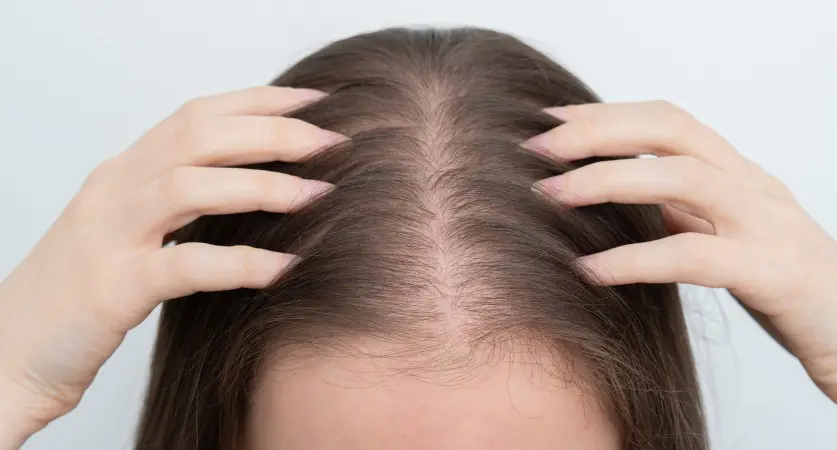
Hair fall is one of the most emotionally stressful beauty and health concerns for women. A few extra strands on the pillow or in the shower may seem harmless initially, but when hair shedding starts increasing noticeably, panic usually follows quickly. Many women in India silently deal with thinning hair, widening partitions, reduced volume, or excessive shedding without understanding whether it is temporary, hormonal, stress-related, nutritional, or a sign of an underlying medical condition. The confusion becomes worse because hair fall advice is everywhere: Homemade oils Viral remedies Supplements Expensive shampoos Social media “miracle” treatments Some women try everything for months before finally consulting a dermatologist or hair specialist. The truth is that some level of hair fall is completely normal. Hair naturally goes through cycles of growth, rest, and shedding. But persistent, excessive, or sudden hair loss may indicate something deeper that requires medical evaluation. This guide explains when hair fall in women is considered normal, the warning signs that should not be ignored, common causes in Indian women, treatment options, costs, myths, expert insights, and what modern hair clinics now offer for long-term hair health. Hair shedding is a natural biological process. Most healthy individuals lose around: 50 to 100 strands daily This usually goes unnoticed because new hair continuously replaces shed strands. Normal hair fall may increase temporarily due to: Seasonal changes Stress Illness Hormonal fluctuations Dietary changes Temporary shedding does not always mean permanent hair loss. Hair fall may need medical attention when you notice: Sudden excessive shedding Visible scalp widening Thinning ponytail volume Bald patches Hair breaking easily Significant hair loss after washing Scalp itching or inflammation Hair not growing back normally The earlier the cause is identified, the better the chances of managing it effectively. Hair loss is rarely caused by one single factor. In many Indian women, multiple triggers overlap. Hormones strongly influence hair growth cycles. Conditions linked to hormonal hair fall include: PCOS Thyroid disorders Post-pregnancy hormonal shifts Menopause-related changes Hormonal hair loss often appears as diffuse thinning rather than complete baldness. This is extremely common. Low levels of: Iron Ferritin Vitamin D Protein Vitamin B12 Zinc may contribute to increased shedding. Crash dieting and irregular eating patterns can worsen the problem significantly. Emotional stress can trigger a condition called telogen effluvium, where large numbers of hair follicles shift into the shedding phase. Common triggers include: Work pressure Poor sleep Emotional trauma Severe illness Sudden weight loss Hair shedding usually begins several weeks after the triggering event. Repeated exposure to: Heat styling Tight hairstyles Chemical smoothening Frequent coloring can weaken the hair shaft and cause breakage. This type of damage is often mistaken for hair fall from the roots. Scalp health matters more than many people realize. Conditions such as: Dandruff Seborrheic dermatitis Fungal infections Psoriasis may increase inflammation and worsen hair shedding. This is one of the most common long-term causes of thinning hair in women. Unlike male baldness, women usually experience: Diffuse thinning Wider partitions Reduced density rather than complete bald patches. Genetics often play a role. Postpartum hair shedding is very common. During pregnancy, higher hormone levels prolong the hair growth phase. After delivery, many hairs enter the shedding phase together. This temporary hair loss usually improves gradually over several months. Some women notice increased shedding during: Summer heat Monsoon humidity Seasonal transitions Environmental stress, sweat, scalp oiliness, and pollution may contribute. You should consider professional evaluation if: Delaying evaluation may allow certain conditions to worsen. A proper consultation usually includes: Doctors may ask about: Diet Stress Menstrual history Existing illnesses Medications Family history This helps assess: Hair density Follicle health Breakage Inflammation Tests may include: Iron studies Thyroid profile Vitamin D Hormonal evaluation Treatment depends entirely on the underlying cause. Dermatologists may recommend: Topical medications Oral supplements Prescription treatments Hormonal management Platelet-rich plasma (PRP) therapy has become increasingly popular for hair thinning. The procedure involves: Drawing blood Processing platelet-rich plasma Injecting it into the scalp Some women report improvement in hair density after multiple sessions. Products containing: Minoxidil Peptides Growth-support ingredients may help certain types of hair thinning. Correcting deficiencies can significantly improve shedding in some women. However, supplements only help if a genuine deficiency exists. Clinics may also offer: Scalp detox treatments Hydration therapies Anti-dandruff procedures Platforms like Siama also discuss personalized approaches to hair and scalp care based on individual concerns rather than generic solutions. Prices vary depending on treatment type and clinic expertise. Long-term management may require multiple sessions. Early intervention may help: Slow thinning progression Improve scalp health Reduce emotional stress Preserve existing hair density Improve treatment outcomes Waiting too long sometimes reduces the effectiveness of certain therapies. Hair oil may improve dryness temporarily but cannot cure hormonal or nutritional hair loss. Hair cutting affects appearance, not follicle growth speed. Hair washing mainly reveals already shed strands. Some DIY treatments irritate the scalp or worsen inflammation. Clinics increasingly customize treatment plans based on: Hormones Lifestyle Scalp condition Genetics Modern treatment plans may combine: PRP Medication Supplements Scalp care Lifestyle correction More women now seek early treatment before visible thinning becomes severe. Dermatologists increasingly observe that hair health is closely connected to: Sleep quality Nutrition Stress levels Metabolic health Many women focus entirely on shampoos while ignoring deeper health triggers. Healthy hair growth usually requires a combination of: Medical evaluation Scalp care Nutritional balance Consistency rather than quick-fix products. Hair growth takes time. Constantly changing treatments makes progress harder to assess. Excessive application may worsen scalp buildup or dandruff. Hair loss combined with fatigue, irregular periods, or sudden weight changes deserves proper evaluation. Most hair treatments require several months for visible improvement. Hair fall in women is extremely common, but that does not mean it should always be ignored. Some shedding is part of the normal hair cycle, especially during stress, seasonal changes, or hormonal fluctuations. However, persistent thinning, widening partitions, sudden excessive shedding, or visible scalp exposure deserve proper medical attention. The biggest mistake many women make is assuming every hair fall problem can be solved with oils, shampoos, or viral internet remedies. In reality, hair loss is often linked to deeper factors such as hormones, nutrition, scalp health, genetics, and stress. The encouraging part is that many forms of hair fall can be managed effectively when identified early. Clinics and educational platforms like Siama increasingly emphasize personalized treatment approaches that focus not just on temporary cosmetic fixes, but long-term scalp and hair health. Healthy hair recovery usually takes patience, consistency, and realistic expectations — not overnight miracle solutions. National Center for Biotechnology Information (NCBI) –https://www.ncbi.nlm.nih.gov Indian Association of Dermatologists, Venereologists and Leprologists (IADVL) –https://www.iadvl.org Ministry of Health and Family Welfare, Government of India –https://www.mohfw.gov.in Statista –https://www.statista.com Siama –https://www.siama.in/How Much Hair Fall Is Actually Normal?
When Hair Fall Becomes a Problem
Common Causes of Hair Fall in Women
Hormonal Imbalance
Nutritional Deficiencies
Stress-Related Hair Fall
Hair Damage From Styling Practices
Scalp Conditions
Female Pattern Hair Loss
Hair Fall After Pregnancy
Seasonal Hair Fall in Indian Weather
When Should You See a Doctor for Hair Fall?
What Happens During a Hair Fall Consultation?
Medical History Review
Scalp Examination
Blood Tests
Hair Fall Treatments for Women in India
Medical Treatments
PRP Therapy
Hair Growth Serums and Topicals
Nutritional Correction
Scalp Treatments
Hair Fall Treatment Costs in India
Benefits of Early Hair Fall Treatment
Common Hair Fall Myths Women Still Believe
“Oil Alone Can Stop Hair Fall”
“Cutting Hair Makes It Grow Faster”
“Washing Hair Frequently Causes Hair Fall”
“Natural Remedies Are Always Safe”
Latest Trends in Hair Fall Treatment in India
Personalized Hair Analysis
Combination Therapies
Focus on Preventive Hair Care
Expert Insights: Why Stress and Lifestyle Matter More Than People Think
Common Mistakes Women Make During Hair Fall Treatment
Switching Products Too Quickly
Overusing Oils and DIY Masks
Ignoring Medical Symptoms
Expecting Instant Results
Final Thoughts
Sources
Frequently Asked Questions
Is daily hair fall normal for women?
Yes. Losing around 50–100 hairs daily is generally considered normal.
Can stress really cause hair fall?
Yes. Significant stress may trigger temporary shedding conditions like telogen effluvium.
Does dandruff cause hair fall?
Severe dandruff and scalp inflammation may worsen shedding.
How long does hair fall treatment take?
Many treatments require 3–6 months before noticeable improvement appears.
Are PRP treatments effective?
Results vary between individuals, but some women experience improved hair density after multiple sessions.
Can nutritional deficiencies cause thinning hair?
Yes. Iron deficiency, low vitamin D, and protein deficiency are common contributors.