
Does Drinking Water Really Help With Acne? We Asked a Dermatologist
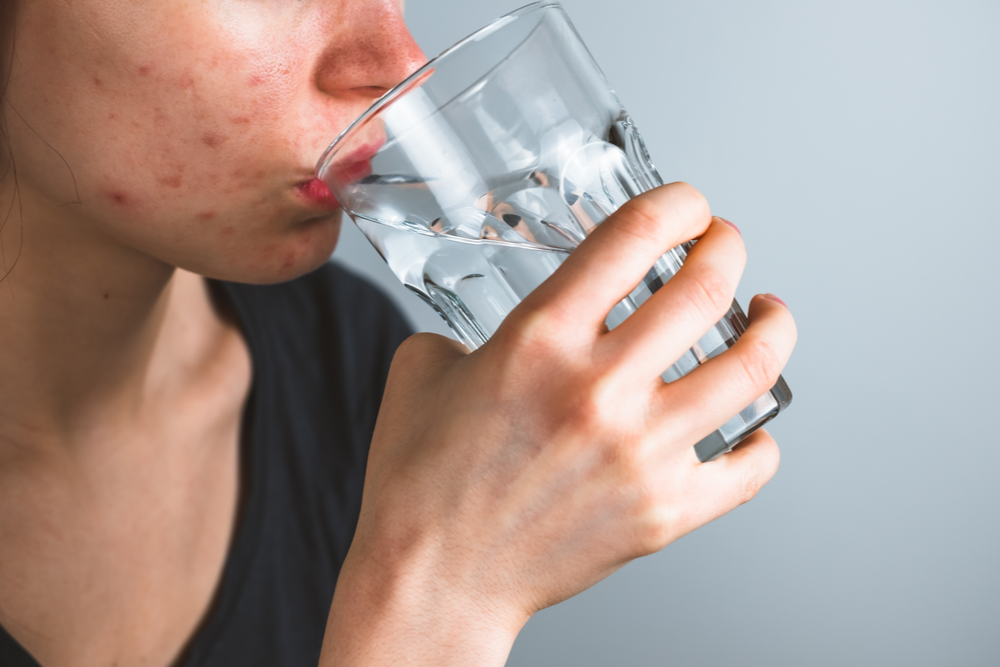
“Just drink more water.”
Anyone struggling with acne in India has probably heard this advice from family members, friends, gym trainers, or social media influencers at some point. It is one of the most common skincare recommendations floating around online, often presented as a simple solution for stubborn breakouts.
But is it actually true?
Can increasing water intake genuinely clear acne, reduce pimples, and improve oily skin? Or is this another oversimplified skincare myth that sounds good but lacks scientific backing?
To understand the reality, it helps to look at what dermatologists actually say about hydration, skin health, and acne formation.
The short answer is this: drinking water alone will not cure acne. However, hydration does play an indirect but meaningful role in maintaining healthy skin function, supporting the skin barrier, and reducing factors that can worsen acne-prone skin.
The relationship is more nuanced than viral skincare reels often suggest.
This detailed guide explores whether drinking water helps acne, what science currently says, dermatologist insights, hydration myths, skincare factors, lifestyle connections, and the most effective acne treatment strategies available in India.
What Actually Causes Acne?
Before understanding water’s role, it is important to understand how acne develops.
Acne is a multifactorial skin condition influenced by:
Excess oil production
Clogged pores
Inflammation
Hormonal fluctuations
Acne-causing bacteria
Genetics
Stress
Lifestyle factors
This means acne is rarely caused by one single issue.
That is why simply increasing water intake usually cannot eliminate breakouts entirely.
Why People Believe Water Helps Acne
There are a few reasons this belief became popular.
Better Hydration Can Improve Skin Appearance
When the body is dehydrated, the skin may appear:
Dull
Tight
Tired
Less elastic
Drinking adequate water can improve overall skin freshness and comfort, which some people mistake for acne treatment.
Healthier Habits Often Happen Together
People who start drinking more water may also:
Eat healthier foods
Sleep better
Reduce sugary beverages
Exercise regularly
These lifestyle changes can indirectly improve acne.
Social Media Oversimplification
Short-form content often reduces complex skin conditions into quick “drink this, avoid that” advice because it is easier to market.
Dermatologists, however, usually approach acne treatment far more comprehensively.
What Dermatologists Say About Water and Acne
Most dermatologists agree on one important point:
Water Supports Skin Health, But It Is Not a Direct Acne Cure
Hydration helps the body function properly, including the skin barrier. But acne itself involves hormones, inflammation, oil glands, and genetics that cannot simply be “washed away” by drinking water.
Can Dehydration Make Acne Worse?
Indirectly, yes.
Dehydrated skin may become:
More irritated
More sensitive
More inflamed
In some cases, excessive dryness may also trigger compensatory oil production, especially in people using harsh acne products.
This is one reason dermatologists now emphasize maintaining a healthy skin barrier instead of aggressively drying the skin.
The Connection Between Hydration and the Skin Barrier
The skin barrier acts like a protective shield.
When it becomes damaged, people may experience:
Increased irritation
Redness
Flaking
Sensitivity
Acne flare-ups
Proper hydration, both internally and externally through moisturizers, supports better barrier function.
Does Drinking Water Reduce Oil Production?
There is currently no strong evidence proving that simply drinking more water directly reduces oil production or clears acne lesions.
However, proper hydration may support overall skin balance and comfort.
How Much Water Should You Drink for Healthy Skin?
There is no universal dermatologist-approved “acne-clearing” water quantity.
Hydration needs depend on:
Climate
Physical activity
Diet
Body size
Medical conditions
In India’s hot and humid weather, water needs may increase due to sweating and heat exposure.
Rather than obsessing over a fixed number, dermatologists generally recommend:
Drinking water consistently through the day
Paying attention to thirst
Avoiding excessive dehydration
Signs You May Not Be Hydrated Enough
Some common signs include:
Dry lips
Fatigue
Dark urine
Headaches
Dry skin sensation
These symptoms are broader health indicators rather than direct acne markers.
Water vs Popular Acne Myths
Myth 1: Drinking More Water Flushes Out Pimples
The body already has organs like the liver and kidneys that naturally handle detoxification.
Water supports these systems but does not directly “flush acne out.”
Myth 2: Acne Means Your Skin Is Dirty
Acne is not caused by poor hygiene.
Overwashing or scrubbing aggressively can actually worsen breakouts.
Myth 3: Only Oily Skin Gets Acne
Dry and combination skin types can also develop acne.
Lifestyle Factors That Matter More Than Water Alone
Hydration matters, but several other factors play a bigger role in acne management.
Sleep Quality
Poor sleep may increase stress hormones and inflammation.
Stress Levels
Chronic stress can worsen hormonal acne and inflammatory breakouts.
Diet Patterns
Research continues to explore links between:
High glycemic foods
Sugary diets
Dairy intake
Acne severity
Responses vary from person to person.
Skincare Routine
Using the wrong skincare products can aggravate acne regardless of water intake.
Best Skincare Habits for Acne-Prone Skin
Dermatologists often recommend:
Gentle cleansing
Non-comedogenic moisturizers
Daily sunscreen
Evidence-based acne treatments
Avoiding harsh scrubs
Professional Acne Treatments Available in India
Persistent acne usually requires more than hydration alone.
Common Dermatology Treatments
Average Acne Treatment Costs in India
Benefits of Staying Hydrated for Skin
Even though water is not an acne cure, hydration still benefits skin health in several ways.
Improved Skin Comfort
Hydrated skin often feels less tight and irritated.
Better Support for Skin Healing
Healthy hydration supports normal body functions involved in recovery and repair.
Reduced Dryness From Acne Treatments
Many acne medications cause dryness. Adequate hydration may help overall comfort.
Drawbacks of Over-Focusing on Water Alone
This is where many people lose valuable time.
Delayed Medical Treatment
Some people spend months trying “natural hydration fixes” while acne worsens.
Ignoring Hormonal Causes
Jawline acne, cystic acne, and recurring breakouts often require medical evaluation.
Unrealistic Expectations
No amount of water alone can fully replace evidence-based acne treatment.
Latest Acne Treatment Trends in India
Barrier-Focused Dermatology
Modern acne treatment now emphasizes skin barrier repair instead of over-drying products.
Personalized Acne Care
Dermatologists increasingly customize treatment plans based on:
Skin type
Hormonal factors
Lifestyle
Pigmentation risk
Minimal-Downtime Procedures
Busy professionals often prefer treatments like:
Carbon laser facials
LED therapy
Gentle chemical peels
Common Mistakes People Make
Drinking Excessive Water
More water is not always better. Excessive intake without medical need can be harmful.
Following Viral Acne Advice Blindly
Social media skincare trends are not always evidence-based.
Using Harsh Products to “Dry Out” Acne
This often damages the skin barrier and increases irritation.
Skipping Moisturizer
Many acne patients incorrectly believe moisturizers worsen pimples.
Expert Insights From Dermatologists
Many dermatologists describe hydration as a supportive factor rather than a primary acne treatment.
Most experts agree that successful acne management usually requires:
Consistent skincare
Hormonal evaluation when needed
Medical treatment
Lifestyle balance
Sun protection
Stress management
Hydration helps support healthy skin, but it works best as part of a broader approach.
Conclusion
Drinking water is good for overall health and supports healthy skin function, but it is not a miracle cure for acne.
The idea that pimples disappear simply by increasing water intake is an oversimplification of a much more complex skin condition involving hormones, oil production, inflammation, genetics, and lifestyle factors.
That said, hydration still matters. Well-hydrated skin often feels healthier, tolerates acne treatments better, and maintains a stronger skin barrier.
The most effective acne management usually combines:
Proper hydration
Balanced skincare
Sun protection
Healthy lifestyle habits
Dermatologist-guided treatment when necessary
Instead of searching for one magical fix, focusing on consistent long-term skin health is usually what produces the best results.
Sources
Indian Association of Dermatologists, Venereologists and Leprologists –https://www.iadvl.org
National Health Portal India –https://www.nhp.gov.in
Indian Journal of Dermatology –https://ijdvl.com
National Medical Commission –https://www.nmc.org.in
All India Institute of Medical Sciences –https://www.aiims.edu
Statista –https://www.statista.com
Frequently Asked Questions
Can drinking more water clear acne completely?
No. Water alone cannot cure acne, though proper hydration supports overall skin health.
Does dehydration cause pimples?
Dehydration may worsen skin irritation and barrier problems, but acne has multiple causes.
How much water should I drink for healthy skin?
Hydration needs vary by person, climate, and activity level. Consistent hydration is generally more important than hitting a specific number.
Can water reduce oily skin?
There is no strong evidence that drinking extra water directly reduces oil production.
What helps acne more than water?
Evidence-based treatments like retinoids, salicylic acid, chemical peels, and dermatologist-guided skincare are generally more effective.
Is glowing skin linked to hydration?
Hydration can improve skin comfort and appearance, but glowing skin also depends on sleep, skincare, nutrition, genetics, and overall health.