
Dark Spots After Pimples Heal: How to Fade Post-Acne Marks
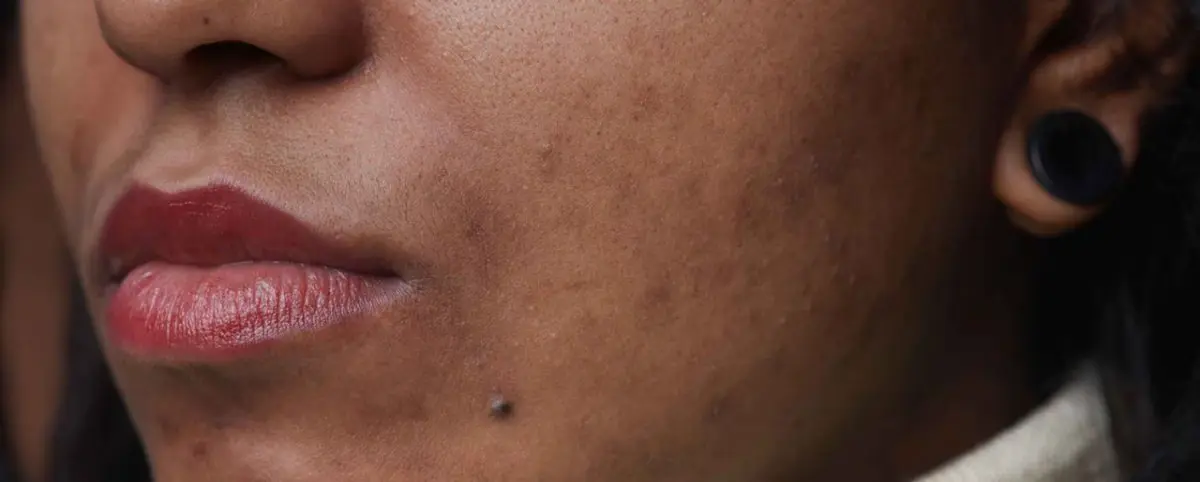
For many people, the acne itself is only half the battle. The real frustration often begins after the pimples disappear.
You finally manage to calm the breakouts, but the mirror still shows brown spots, uneven patches, and lingering marks that refuse to fade. In Indian skin tones especially, post-acne pigmentation can stay visible for weeks, months, or sometimes even longer if not treated properly.
This condition is commonly called post-acne marks or post-inflammatory hyperpigmentation (PIH). It is one of the most common reasons people continue visiting dermatology clinics even after active acne improves.
The good news is that these marks usually can fade significantly with the right skincare, sun protection, professional treatments, and patience. The bad news is that aggressive home remedies, social media “hacks,” and over-exfoliation often make pigmentation much worse.
This detailed guide explains why dark spots appear after pimples heal, how long they take to fade, the best dermatologist-recommended treatment options available in India, treatment costs, common mistakes, and realistic timelines for clearer skin.
What Are Post-Acne Marks?
Post-acne marks are flat discolorations left behind after inflammation from pimples damages the skin.
Unlike acne scars, these marks do not change the texture of the skin. Instead, they appear as:
Brown spots
Red marks
Dark patches
Uneven skin tone
The medical term for darker acne marks is post-inflammatory hyperpigmentation.
Why Dark Spots Are More Common in Indian Skin
Indian skin tones naturally contain more melanin, which gives the skin its color. When inflammation occurs during acne, the skin often responds by producing excess pigment.
This is why:
Picking pimples leaves darker marks
Harsh scrubs worsen pigmentation
Sun exposure deepens acne spots
Even small pimples may leave visible marks
Dermatologists across India frequently treat pigmentation concerns alongside acne itself because the two are closely connected.
Difference Between Acne Marks and Acne Scars
Many people confuse acne marks with acne scars, but they are very different conditions.
Understanding this difference is important because treatment approaches vary significantly.
Why Pimples Leave Dark Spots Behind
When acne becomes inflamed, the skin activates its healing response. During this process, melanocytes produce extra pigment.
Several factors increase the risk of pigmentation:
Picking or Squeezing Pimples
This is one of the biggest causes of stubborn marks.
Delayed Acne Treatment
The longer inflammation stays active, the higher the pigmentation risk.
Excess Sun Exposure
UV rays stimulate melanin production and darken healing spots.
Harsh Skincare Products
Over-exfoliation damages the skin barrier and increases irritation.
Hormonal Acne
Deep jawline and cystic acne often leave more noticeable pigmentation.
Common Types of Post-Acne Pigmentation
Brown Post-Acne Marks
These are the most common in Indian skin tones and result from excess melanin.
Red Acne Marks
Some people develop lingering redness after pimples heal due to blood vessel inflammation.
Mixed Pigmentation
Many patients experience both brown and red discoloration simultaneously.
How Long Do Post-Acne Marks Take to Fade?
This is one of the most common questions dermatologists hear.
Unfortunately, there is no universal timeline.
Factors affecting recovery include:
Skin tone
Sun exposure
Acne severity
Hormonal factors
Consistency with treatment
Best Ingredients to Fade Post-Acne Marks
Modern dermatology focuses heavily on evidence-based pigmentation control rather than harsh bleaching approaches.
Niacinamide
Helps reduce inflammation and regulate pigment transfer.
Benefits
Barrier support
Oil control
Brightening effect
Reduced irritation risk
Azelaic Acid
A dermatologist favorite for acne and pigmentation together.
Why It Works Well
Reduces pigment formation
Helps active acne
Suitable for many Indian skin types
Retinoids
Retinoids speed up skin cell turnover and gradually improve marks.
Commonly prescribed:
Adapalene
Tretinoin
Vitamin C
Helps brighten uneven skin tone and supports antioxidant protection.
Salicylic Acid
Useful when pigmentation exists alongside oily acne-prone skin.
Importance of Sunscreen for Acne Marks
This is the single most overlooked step in pigmentation treatment.
Without sunscreen, even expensive treatments may deliver disappointing results because UV exposure continuously darkens healing spots.
Ideal Sunscreen Features for Acne-Prone Skin
Look for:
SPF 30 or higher
Non-comedogenic formulas
Gel-based texture
Broad-spectrum protection
Professional Treatments for Post-Acne Marks
Some pigmentation fades with skincare alone, but stubborn marks may require dermatology procedures.
Chemical Peels
Chemical peels are among the most commonly recommended treatments for post-acne pigmentation in India.
Common Peel Types
Average Cost in India
Laser Treatments for Acne Marks
Laser procedures are increasingly popular for stubborn pigmentation.
Q-Switched Laser
Often recommended for superficial pigmentation and uneven skin tone.
Carbon Laser Facial
Can improve oiliness, pores, and mild post-acne marks.
Fractional Laser
Usually reserved for combined pigmentation and scarring concerns.
Typical Laser Costs in India
Pricing depends on:
City
Clinic expertise
Technology
Treatment area
Microneedling for Post-Acne Marks
Microneedling stimulates collagen production and may improve both pigmentation and early acne scars.
It is increasingly combined with:
PRP
Serums
Radiofrequency technology
Home Remedies: Do They Actually Work?
This is where many people damage their skin unintentionally.
Common Home Remedies People Try
Lemon juice
Toothpaste
Baking soda
Turmeric DIY masks
Some ingredients may temporarily brighten skin, but improper use often causes:
Irritation
Burns
Increased pigmentation
Barrier damage
Dermatologists generally advise caution with DIY treatments, especially for sensitive or acne-prone skin.
Latest Trends in Post-Acne Pigmentation Treatment
Skin Barrier-Focused Treatment
Modern dermatology now emphasizes gentle recovery rather than aggressive exfoliation.
Combination Therapies
Clinics increasingly combine:
Chemical peels
Laser treatment
Topical skincare
Oral antioxidants
for better results.
Customized Treatments for Indian Skin Tones
There is growing awareness about treating pigmentation safely in melanin-rich skin.
Common Mistakes That Make Acne Marks Worse
Picking Pimples
This dramatically increases inflammation and pigment production.
Overusing Exfoliants
Too many acids can worsen irritation.
Skipping Sunscreen
Even indoor UV exposure may slow pigmentation recovery.
Chasing Quick Fixes
Post-acne pigmentation treatment requires consistency, not aggressive experimentation.
Benefits of Treating Acne Marks Early
Early treatment can:
Prevent deeper pigmentation
Improve skin confidence
Reduce uneven tone faster
Lower long-term treatment costs
Minimize scar development risk
Drawbacks and Challenges of Treatment
There are also realistic challenges people should understand.
Slow Improvement
Pigmentation recovery is gradual.
Multiple Sessions Often Needed
Professional treatments usually require repeated sessions.
Temporary Irritation
Some active ingredients may initially cause dryness or peeling.
Risk of Incorrect Treatment
Improper laser settings or aggressive procedures can worsen pigmentation in Indian skin.
Dermatologist Insights on Post-Acne Marks
Many dermatologists now focus on prevention as much as treatment.
Current acne management often includes:
Early inflammation control
Barrier protection
Daily sunscreen
Pigmentation prevention during acne treatment itself
Experts also emphasize that not every dark spot needs expensive laser treatment. Many cases improve significantly with proper skincare and patience.
Conclusion
Dark spots after pimples heal can feel incredibly discouraging, especially when active acne has finally started improving. But post-acne pigmentation is one of the most treatable skin concerns when approached correctly.
The key is understanding that fading acne marks takes consistency, sun protection, and patience rather than aggressive quick fixes.
A balanced routine with evidence-based ingredients, proper sunscreen use, and dermatologist-guided procedures when necessary can gradually restore a clearer, more even complexion.
Most importantly, treating acne early and avoiding picking or over-exfoliation can prevent many dark spots from forming in the first place.
Sources
Indian Association of Dermatologists, Venereologists and Leprologists –https://www.iadvl.org
National Health Portal India –https://www.nhp.gov.in
Indian Journal of Dermatology –https://ijdvl.com
National Medical Commission –https://www.nmc.org.in
All India Institute of Medical Sciences –https://www.aiims.edu
Statista –https://www.statista.com
Frequently Asked Questions
Are dark acne marks permanent?
Most post-acne marks are not permanent, but they may take months to fade without proper treatment.
Which ingredient works best for acne pigmentation?
Azelaic acid, retinoids, niacinamide, and sunscreen are commonly recommended depending on skin type and severity.
Can sunscreen really help fade acne marks?
Yes. Sunscreen prevents further darkening and supports the skin’s natural healing process.
Do acne marks fade faster with chemical peels?
Professional chemical peels may accelerate exfoliation and pigmentation improvement when performed correctly.
Is laser treatment safe for Indian skin?
When performed by qualified dermatologists using appropriate settings, many laser procedures can be safe and effective.
Can I treat post-acne marks at home?
Mild pigmentation may improve with proper skincare, but stubborn marks often benefit from dermatologist-guided treatment.