
Carbon Laser vs HydraFacial: Which Is Better for Acne?
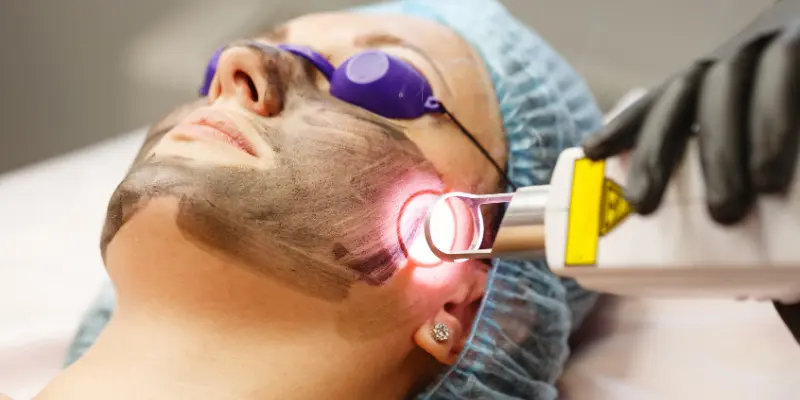
Acne treatment has changed dramatically in the last few years. People are no longer relying only on creams and oral medications. Advanced dermatology procedures like Carbon Laser Facial and HydraFacial are now widely available across India, especially in metro cities and premium skin clinics. But here’s the problem: many people are confused about which treatment actually works better for acne. One clinic claims Carbon Laser is the best solution for oily skin and active breakouts. Another promotes HydraFacial as the ultimate deep-cleansing treatment. Social media only adds to the confusion with dramatic before-and-after photos that rarely explain who the treatment is actually suitable for. The truth is that both treatments can help acne-prone skin, but they work in very different ways. Choosing the wrong one can waste money, irritate sensitive skin, or deliver disappointing results. Choosing the right one, however, can noticeably reduce oiliness, congestion, dullness, and acne flare-ups. This detailed comparison breaks down everything you need to know about Carbon Laser vs HydraFacial for acne, including process, cost in India, benefits, side effects, suitability, timelines, and dermatologist insights. Not all acne is the same. This is where many people go wrong. A treatment that works beautifully for oily blackhead-prone skin may not work well for severe cystic acne. Dermatologists generally classify acne into: Whiteheads and blackheads Inflammatory acne Hormonal acne Cystic acne Acne marks and pigmentation Post-inflammatory erythema Acne scars Your skin type, oil production, sensitivity level, and acne severity matter more than social media trends. A Carbon Laser Facial, often called a “Hollywood Peel” or “Carbon Peel,” is a non-invasive laser treatment designed to reduce excess oil, improve skin texture, and deeply cleanse pores. The treatment combines: Liquid carbon application Q-switched laser technology Controlled exfoliation It is especially popular among people with: Oily skin Enlarged pores Mild to moderate acne Acne marks Uneven skin texture The dermatologist or technician cleanses the face thoroughly to remove makeup, oil, and dirt. A thin layer of medical-grade carbon lotion is applied to the skin. The carbon penetrates pores and binds with oil, impurities, and dead skin cells. A Q-switched laser passes over the skin. The laser targets the carbon particles, causing tiny controlled explosions that exfoliate the skin and remove impurities. A soothing serum or cooling mask is usually applied afterward. The session generally takes around 30–45 minutes. This is one of the strongest advantages of Carbon Laser treatment. Many patients notice significantly reduced oiliness after a few sessions. The laser helps remove debris trapped inside pores, reducing congestion. Carbon Laser may help lighten superficial post-acne pigmentation over time. Most people can resume daily activities immediately. Skin often feels softer and more refined after treatment. Like any dermatological procedure, Carbon Laser is not perfect. Some people experience mild redness for a few hours. One session rarely delivers dramatic acne improvement. Very inflamed cystic acne may require medical treatment first. Repeated sessions increase the overall expense. Pricing depends on: Clinic reputation Dermatologist expertise Laser technology used Combination treatments HydraFacial is a multi-step skin treatment that uses a machine-based vortex technology to cleanse, exfoliate, extract impurities, and infuse hydrating serums into the skin. Unlike Carbon Laser, HydraFacial does not use laser energy. It is commonly recommended for: Congested pores Mild acne Dehydrated skin Dullness Sensitive skin types Dead skin cells are removed gently using a specialized HydraFacial tip. A light acid solution helps loosen dirt and debris from pores. The machine vacuums out impurities and excess sebum. Hydrating and antioxidant-rich serums are infused into the skin. The treatment usually takes 30–60 minutes. HydraFacial is generally less aggressive than laser procedures. Acne-prone skin can still be dehydrated, especially after acne medications. Many people notice brighter skin immediately after treatment. Those new to clinical skincare treatments often tolerate HydraFacial well. Most patients return to work or social activities the same day. Oil control benefits often fade faster compared to laser treatments. HydraFacial mainly works on surface-level concerns. Overly rich serums or improper extraction may occasionally irritate acne-prone skin. This depends on acne type. Very oily skin Enlarged pores Blackheads Mild inflammatory acne Acne marks and pigmentation Sensitive skin Dry yet acne-prone skin Mild congestion Dullness Barrier damage from acne medications Many dermatologists in India now combine procedures rather than relying on one treatment alone. Common combinations include: HydraFacial + LED light therapy Carbon Laser + salicylic acid peel Acne medication + monthly maintenance facials There is also increasing focus on: Skin barrier repair Customized acne treatment plans Lower-downtime procedures Preventing post-acne pigmentation in Indian skin tones Some patients discontinue dermatologist-prescribed treatment expecting instant results from facials alone. Low-cost procedures performed by unqualified providers can increase risks. Acne management is usually long-term. Both treatments require proper sunscreen use afterward. Mild redness Temporary dryness Slight peeling Rare irritation Mild sensitivity Temporary purging Rare allergic reactions People with severe acne, active skin infections, or highly sensitive skin should always consult a qualified dermatologist before treatment. The exact timeline varies based on: Acne severity Skin type Hormonal factors Home skincare routine Neither treatment is considered the gold standard for deep acne scars. For significant scarring, dermatologists may recommend: Microneedling RF Fractional CO2 laser Subcision TCA CROSS Combination therapies However, Carbon Laser may slightly improve superficial texture irregularities over time. There is no universal winner. If your main concern is: Excess oil Large pores Recurrent congestion Acne marks then Carbon Laser may offer better results. If your skin is: Sensitive Dehydrated Irritated from acne products New to clinical procedures HydraFacial may feel safer and more comfortable. In many real-world cases, dermatologists customize treatment plans by alternating procedures based on seasonal skin changes and acne activity. Both Carbon Laser Facial and HydraFacial can help acne-prone skin, but they solve different problems. Carbon Laser is generally stronger for oily skin, enlarged pores, and acne marks, while HydraFacial focuses more on hydration, gentle cleansing, and maintaining skin balance. The best choice depends on your acne type, skin sensitivity, budget, and long-term skincare goals. Instead of chasing trending treatments online, consult an experienced dermatologist who understands Indian skin concerns, climate-related acne triggers, and pigmentation risks. The right treatment plan is rarely about choosing the most expensive procedure. It is about choosing the one your skin actually needs. Indian Association of Dermatologists, Venereologists and Leprologists –https://www.iadvl.org National Health Portal India – https://www.nhp.gov.in Indian Journal of Dermatology –https://ijdvl.com National Medical Commission –https://www.nmc.org.in Mayo Clinic –https://www.mayoclinic.org Statista –https://www.statista.comUnderstanding Acne Before Choosing a Treatment
What Is a Carbon Laser Facial?
How a Carbon Laser Facial Works
Step-by-Step Process
Step 1: Cleansing the Skin
Step 2: Application of Liquid Carbon
Step 3: Laser Treatment
Step 4: Cooling and Hydration
Benefits of Carbon Laser Facial for Acne
Oil Control
Deep Pore Cleansing
Improvement in Acne Marks
Minimal Downtime
Smoother Skin Texture
Drawbacks of Carbon Laser Facial
Temporary Redness
Multiple Sessions Needed
Not Ideal for Severe Active Acne
Cost Can Add Up
Average Carbon Laser Facial Cost in India
What Is a HydraFacial?
How HydraFacial Works
Step-by-Step HydraFacial Process
Step 1: Cleansing and Exfoliation
Step 2: Mild Chemical Exfoliation
Step 3: Suction-Based Extraction
Step 4: Serum Infusion
Benefits of HydraFacial for Acne
Gentle on Sensitive Skin
Hydration Support
Immediate Glow
Suitable for Beginners
No Major Downtime
Drawbacks of HydraFacial
Results May Be Temporary
Limited Impact on Deep Acne Scars
Can Trigger Breakouts in Some Cases
Average HydraFacial Cost in India
Carbon Laser vs HydraFacial: Key Differences
Which Treatment Is Better for Active Acne?
Carbon Laser May Be Better If You Have:
HydraFacial May Be Better If You Have:
Dermatologist Insights on Current Acne Treatment Trends
Common Mistakes People Make Before These Treatments
Stopping Prescription Medication Suddenly
Choosing Clinics Based Only on Price
Expecting One Session to Cure Acne
Ignoring Sun Protection
Side Effects and Safety Considerations
Carbon Laser Side Effects
HydraFacial Side Effects
How Many Sessions Are Usually Needed?
Can These Treatments Remove Acne Scars?
Expert Advice: Which One Should You Choose?
Conclusion
Sources
Frequently Asked Questions
Is Carbon Laser Painful?
Most patients describe it as mildly warm or slightly tingling rather than painful.
Can HydraFacial treat severe acne?
HydraFacial is generally better for mild acne and congestion rather than severe cystic acne.
Which treatment gives faster visible results?
HydraFacial often delivers immediate glow and hydration, while Carbon Laser may show stronger oil-control improvement after multiple sessions.
Is there downtime after Carbon Laser?
Most people experience only mild redness for a few hours.
Can men undergo these treatments?
Yes. Both treatments are increasingly popular among men dealing with oily skin and acne.
How long do results last?
Results depend heavily on skincare maintenance, hormones, diet, stress, and consistency with treatment.