
5 Summer Skincare Mistakes That Are Worsening Your Acne
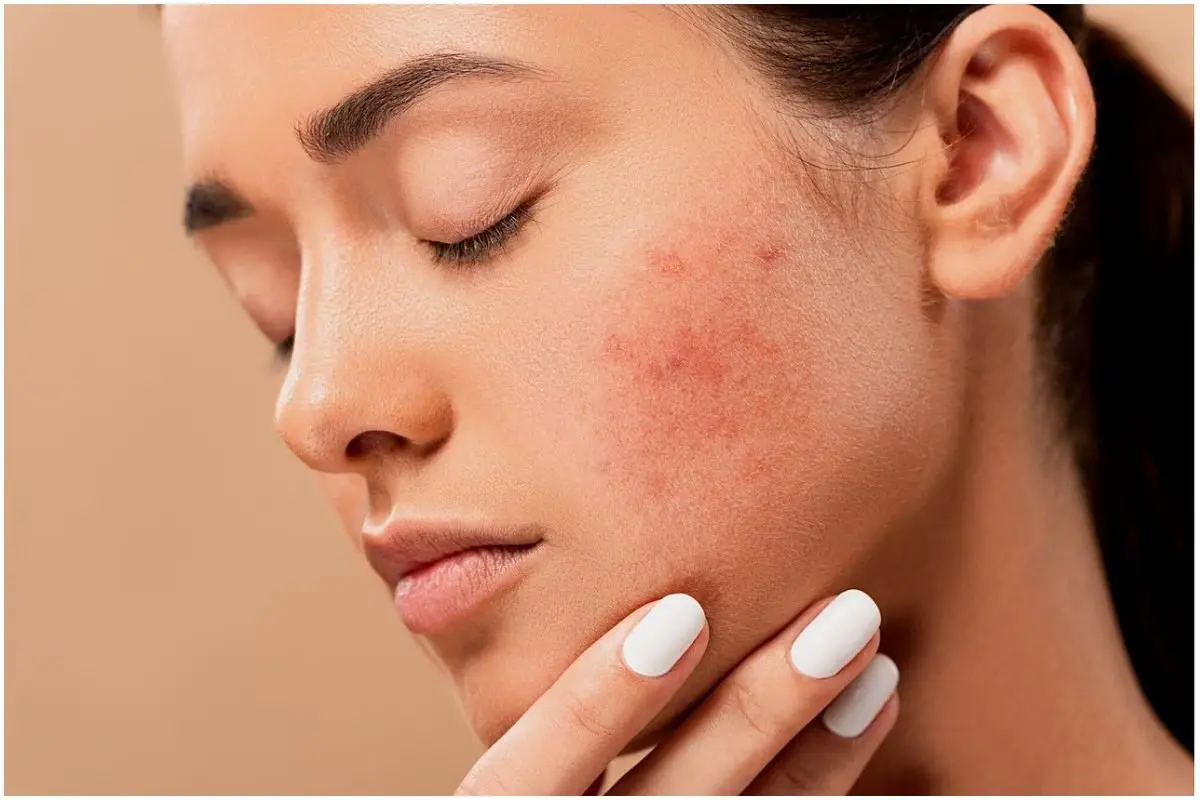
Summer can be brutal for acne-prone skin. Between sweat, humidity, sunscreen layers, pollution, and increased oil production, even people with relatively clear skin often notice more breakouts during the hotter months. In India, where temperatures in many cities regularly cross 40°C during peak summer, acne flare-ups become even more common. What surprises many people is that the problem is not always the weather itself. Often, it is the skincare habits people adopt during summer that quietly make acne worse. From over-washing your face to skipping moisturizer altogether, some seemingly harmless habits can damage your skin barrier, clog pores, and trigger inflammation. If your acne suddenly becomes more stubborn during summer, these skincare mistakes may be the real reason. Before discussing the mistakes, it helps to understand why summer creates the perfect environment for breakouts. Heat and humidity increase sebum production. Sweat mixes with oil, dirt, makeup, and dead skin cells, which can clog pores. Add sunscreen, pollution, and frequent touching of the face, and acne-causing bacteria get an ideal environment to grow. According to the Indian Journal of Dermatology, acne vulgaris remains one of the most common skin conditions among adolescents and young adults in India, with climate and environmental exposure playing a significant role in flare-ups. Dermatologists also report that patients commonly experience: More whiteheads and blackheads Increased forehead and jawline acne Sweat-induced fungal acne Post-acne pigmentation worsening due to sun exposure The good news is that many summer acne triggers are preventable. One of the biggest myths in skincare is that oily skin needs constant cleansing. Many people wash their face five or six times daily during summer because their skin feels greasy. While this may temporarily remove oil, excessive cleansing strips away the skin’s natural protective barrier. Your skin then reacts by producing even more oil to compensate. The result is a cycle of dehydration, irritation, and breakouts. Tightness after cleansing Increased oiliness within an hour Redness or stinging Tiny bumps and irritation Sudden sensitivity to skincare products For most acne-prone skin types, cleansing twice daily is enough. Use: A gentle salicylic acid cleanser Gel-based face washes Sulfate-free formulations Avoid harsh scrubs and high-alcohol cleansers, especially during hot weather. This is extremely common in Indian summers. Many people believe moisturizer makes acne worse, especially when humidity is already high. In reality, dehydrated skin often produces more oil, which can worsen clogged pores. Acne medications like benzoyl peroxide, retinoids, and salicylic acid can also dry out the skin barrier. Without hydration, inflammation increases. Heavy creams can feel uncomfortable in humid weather, but lightweight hydration is still essential. Look for: Non-comedogenic moisturizers Gel-based formulas Hyaluronic acid Ceramides Niacinamide Avoid: Thick occlusive creams Coconut oil-based products on acne-prone skin Strong fragrance-heavy moisturizers Sunscreen is essential, especially in India where UV exposure is intense year-round. However, not every sunscreen works well for acne-prone skin. Heavy, greasy sunscreens can trap sweat and oil, leading to congestion and painful breakouts. Ironically, some people stop using sunscreen entirely because they think it causes pimples. That creates another problem: acne marks and pigmentation become darker due to sun exposure. The best sunscreen for acne-prone skin usually has: SPF 30 or higher Gel or fluid texture Matte finish Non-comedogenic labeling Ingredients that often work well include: Zinc oxide Niacinamide Silica-based oil control formulas Applying too little sunscreen Not reapplying after sweating Layering heavy makeup over sunscreen Using expired sunscreen This sounds basic, but dermatologists frequently point to hygiene-related acne triggers during summer. Sweat itself does not directly cause acne. The problem starts when sweat mixes with bacteria, oil, pollution particles, and friction. If you regularly: Sleep on unwashed pillowcases Keep sweaty gym clothes on too long Touch your face frequently Use dirty towels you may notice recurring jawline, cheek, and forehead acne. India’s humid climate allows bacteria and yeast to multiply more quickly on fabrics and skin surfaces. This can contribute to: Inflammatory acne Fungal acne Skin irritation Body acne Summer often pushes people into panic mode. They start layering: Vitamin C Retinol Salicylic acid AHAs BHAs Spot treatments Face masks all within the same routine. Instead of improving acne, this can severely damage the skin barrier. Burning sensation Peeling skin Sudden acne flare-ups Red patches Excessive dryness with oiliness Dermatologists often recommend sticking to: Cleanser Moisturizer Sunscreen One active ingredient Consistency matters far more than using ten products. Apart from skincare mistakes, several lifestyle factors quietly worsen breakouts. Research suggests high glycemic foods and sugary beverages may contribute to acne in some individuals. Common summer triggers include: Sugary cold drinks Excessive ice cream Fried fast food High dairy intake for sensitive individuals Drinking adequate water does not magically cure acne, but dehydration can worsen skin irritation and oil imbalance. Poor sleep increases cortisol levels, which may influence oil production and inflammation. Summer heat can disrupt sleep quality, indirectly affecting acne severity. Dermatology clinics across India are seeing growing demand for minimally invasive acne treatments that work during summer with limited downtime. Popular options include: Salicylic acid and mandelic acid peels help reduce: Oiliness Active acne Acne marks Prices vary by city, clinic reputation, and dermatologist expertise. Carbon laser facials have become popular among oily-skinned patients because they help temporarily reduce excess sebum and improve skin texture with minimal downtime. Blue light therapy is increasingly used alongside acne treatments to target acne-causing bacteria. Once the right routine is followed consistently, people often notice: Fewer breakouts Reduced oiliness Better skin texture Less irritation Faster healing of acne marks Improved sunscreen tolerance However, results are rarely overnight. Patience is essential with acne management. Temporary drying may happen, but UV exposure often worsens inflammation and pigmentation later. Lemon juice, toothpaste, and baking soda can seriously irritate acne-prone skin. This misconception frequently worsens acne during Indian summers. Home skincare may not be enough if you have: Painful cystic acne Scarring Persistent jawline acne Sudden adult acne Acne causing emotional distress A dermatologist can identify whether hormonal imbalance, fungal acne, or another underlying issue is contributing to breakouts. Summer acne is often less about the weather and more about how your skin reacts to seasonal habits. Overwashing, skipping moisturizer, using pore-clogging sunscreen, neglecting hygiene, and overloading the skin with products are some of the most common reasons breakouts spiral during hot months. The solution usually is not harsher treatment. It is smarter skincare. A simple, balanced routine supported by proper hydration, lightweight products, sun protection, and consistency can dramatically improve acne-prone skin over time. If breakouts remain painful, persistent, or leave scars, consulting a qualified dermatologist is the safest next step. Indian Journal of Dermatology –https://ijdvl.com National Health Portal India –https://www.nhp.gov.in Indian Association of Dermatologists, Venereologists and Leprologists –https://www.iadvl.org Mayo Clinic –https://www.mayoclinic.org American Academy of Dermatology –https://www.aad.orgWhy Acne Often Gets Worse in Summer
Mistake #1: Overwashing Your Face Multiple Times a Day
Signs You Are Overwashing
What Dermatologists Recommend
Best Cleansing Process for Summer Acne
Mistake #2: Skipping Moisturizer Because Your Skin Feels Oily
The Right Summer Moisturizer Matters
Gel vs Cream Moisturizer for Acne
Mistake #3: Using Heavy Sunscreens That Clog Pores
How to Choose Acne-Friendly Sunscreen
Mineral vs Chemical Sunscreen for Acne
Common Sunscreen Mistakes
Mistake #4: Ignoring Sweat and Dirty Pillowcases
Summer Acne Hygiene Tips
Change These Frequently
Why This Matters More in Summer
Mistake #5: Experimenting With Too Many Acne Products at Once
Signs Your Skin Barrier Is Damaged
A Simpler Routine Usually Works Better
Common Summer Acne Triggers Most People Miss
Diet and Dehydration
Stress and Sleep
Latest Summer Acne Treatment Trends in India
Chemical Peels
Average Cost in India
Carbon Laser Facials
LED Light Therapy
Benefits of Correcting Summer Skincare Mistakes
How Long Does It Take to See Improvement?
Common Misconceptions About Summer Acne
“Sunlight dries out pimples permanently”
“Natural remedies are always safer”
“Oily skin does not need moisturizer”
When Should You See a Dermatologist?
Conclusion
Sources
Statista –https://www.statista.com
Frequently Asked Questions
Can humidity cause acne?
Humidity itself does not directly cause acne, but it increases sweating and oil production, which can clog pores more easily.
Which ingredients work best for summer acne?
Salicylic acid, niacinamide, adapalene, and benzoyl peroxide are commonly recommended depending on skin type and acne severity.
Is sunscreen necessary for acne-prone skin?
Yes. Skipping sunscreen can worsen post-acne pigmentation and inflammation, especially in Indian weather conditions.
How often should I exfoliate in summer?
Most dermatologists recommend exfoliating only 1–2 times weekly. Over-exfoliation can damage the skin barrier.
Are expensive acne treatments always better?
Not necessarily. Many affordable dermatologist-approved products work extremely well when used consistently.